

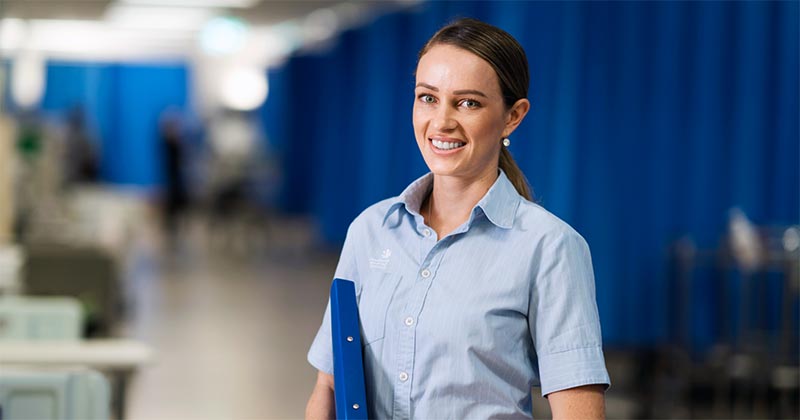
Nursing is one of the most respected and in-demand professions in South Africa and globally. Many students aspire to study nursing through flexible and reputable institutions such as the University of South Africa (UNISA). If you are planning to study nursing in 2026, it is essential to understand the available qualifications, application process, and admission requirements.
This detailed guide explains how to apply to study nursing courses at UNISA 2026, important updates about the Bachelor of Arts in Nursing Science, eligibility criteria, clinical training, and frequently asked questions. Although some nursing qualifications are not currently open to new applicants, this article will help you prepare and understand the UNISA application system.
Nursing Courses at UNISA 2026: Overview
The University of South Africa (UNISA) has historically offered nursing-related qualifications, including the Bachelor of Arts in Nursing Science, qualification code 0216X – HSM. This program is classified as an NQF Level 6 qualification and requires students to complete 360 credits to graduate.
However, it is important to note that:
-
The Bachelor of Arts in Nursing Science (0216X – HSM) is currently available only to previously registered students
-
UNISA is not admitting new students into this nursing programme for the 2026 academic year
Despite this, understanding the application procedures is beneficial for future planning or for those applying to other qualifications at UNISA.
Purpose Statement of the Nursing Qualification
The primary purpose of the nursing qualification at UNISA is to equip students with essential skills, knowledge, and professional experience. These competencies enable graduates to function effectively within healthcare and communication-focused environments.
Through this program, students are trained to:
-
Solve problems within professional communication contexts
-
Work effectively both individually and within teams
-
Manage administrative tasks, including financial administration
-
Provide organisational support in a communications environment
-
Demonstrate ethical conduct, professionalism, and strong values when dealing with clients
Graduates of this qualification can contribute meaningfully to both public and private healthcare sectors by improving organizational communication and service quality.
How to Apply to Study Nursing at UNISA 2026
Even though the nursing qualification is not open to new students for 2026, the application process remains the same for all UNISA programs. Below is a step-by-step guide to applying at UNISA.
Step-by-Step UNISA Application Process
Step 1: Visit the official UNISA website
Go to the UNISA application portal at:
👉 https://www.unisa.ac.za
Step 2: Click on the “Admission” tab
Navigate to the admissions section on the homepage.
Step 3: Select “Apply for Admission.”
This option will redirect you to the online application system.
Step 4: Choose your qualification
Select the qualification you wish to apply for (if available).
Step 5: Read all instructions carefully
Ensure that you understand the requirements and documentation needed.
Step 6: Complete the online application
Fill in your personal, academic, and contact details accurately, and submit your application online.
Admission Requirements for Nursing at UNISA
To meet the admission requirements for nursing-related studies at UNISA, applicants are strongly advised to have completed the following subjects at the matric level:
-
Mathematics
-
Physical Sciences
-
Biology (Life Sciences)
Additionally, candidates with the following results may be considered:
-
Mathematics at Level 4 or Literacy Level 5
-
Physical Science at Level 4
-
Biological Science at Level 4
Meeting the minimum requirements does not guarantee acceptance, as selection is competitive and subject to available space.
Important Registration Information
-
Applicants may only register after receiving official confirmation from UNISA that their application has been approved.
-
Registration without acceptance is not permitted.
-
Late or incomplete applications are often rejected, so early preparation is recommended.
Clinical Training and Practical Experience
Clinical training is a critical component of nursing education at UNISA. Students who are registered in the nursing program complete their practical training at accredited facilities, including:
-
General hospitals
-
Midwifery hospitals
-
Mental health institutions
-
Community health service centres
-
Community-based healthcare facilities
This hands-on experience ensures that students gain real-world skills and are prepared for professional nursing roles upon graduation.
Why Choose UNISA for Nursing Studies?
UNISA remains a popular choice for nursing students because of:
-
Flexible distance learning options
-
National and international recognition
-
Affordable tuition compared to traditional universities
-
Access to quality academic resources
-
Strong emphasis on ethics and professionalism
Even if nursing is not currently open to new applicants, UNISA continues to offer valuable healthcare-related qualifications.
Conclusion
Studying nursing at UNISA has long been a pathway for students seeking flexible, quality education in healthcare. While the Bachelor of Arts in Nursing Science is not available to new students in 2026, understanding the application process, requirements, and training structure is essential for future opportunities.
FAQs: Nursing Courses at UNISA 2026
1. Is UNISA accepting new nursing students in 2026?
No. UNISA is currently not admitting new students for the Bachelor of Arts in Nursing Science (0216X – HSM).
2. What is the NQF level of the nursing qualification?
The qualification is classified at NQF Level 6 and requires 360 credits.
3. Can I still apply for other healthcare-related courses at UNISA?
Yes. UNISA offers other health and social science programs depending on availability.
4. Where does clinical training take place?
Clinical training occurs in hospitals, mental health facilities, and community health centers.
5. Do I need mathematics and science to study nursing at UNISA?
Yes. Mathematics, physical sciences, and biology are highly recommended subjects.
