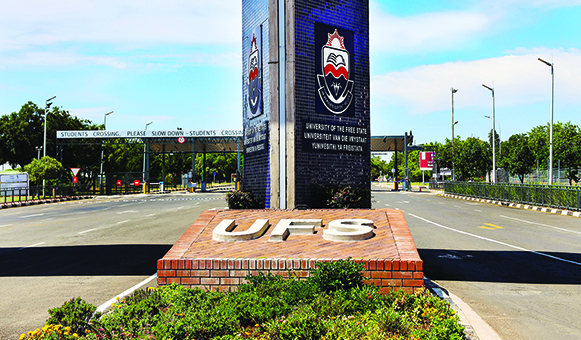
Category: Universities

  • University Of The Free State UFS Fee Structure for 2026/2027 Intake

    University Of The Free State UFS Fee Structure for 2026/2027 Intake

    Planning your finances for university is a significant step toward a successful academic career. For the 2026/2027 academic year, the University of the Free State (UFS) continues to uphold its commitment to transparency and accessibility. Whether you are a prospective first-year student, a postgraduate applicant, or an international scholar, understanding the UFS fee structure and Tuition Cost is crucial for a smooth registration process.

    This guide provides a comprehensive, neutral, and detailed look at the approved fees, payment procedures, and financial policies for the 2026/2027 intake. We aim to equip you with all the necessary information to budget effectively and avoid any last-minute administrative hurdles.

    Why Choose the University of the Free State?

    Before delving into the specifics of the UFS fee structure and Tuition Cost, it is worth understanding what the university offers in return for your investment. UFS is not just one of the oldest tertiary institutions in South Africa; it is a hub of innovation, diversity, and academic excellence.

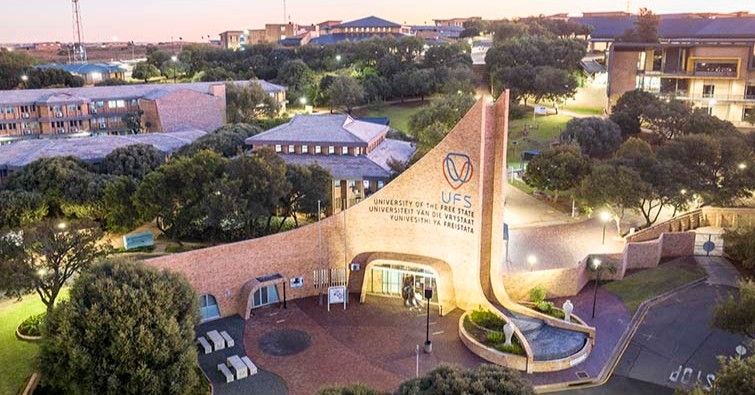
    The university boasts three campuses—the Bloemfontein Campus, the South Campus, and the Qwaqwa Campus—each offering a unique blend of academic and cultural experiences. Students are drawn to UFS for its strong research output, community engagement, and a curriculum designed to meet the demands of the modern workforce.

    By choosing UFS, students gain access to renowned faculties in Law, Health Sciences, Economic and Management Sciences, and the Humanities. The institution places a high value on creating a “caring campus,” ensuring that student support services are readily available. When you consider the UFS fee structure and Tuition Cost, it’s important to view it as an investment in a qualification that is respected globally, supported by modern facilities and dedicated academic staff.

    UFS Fee Structure and Tuition Cost for 2026/2027: A Detailed Overview

    The financial planning for the 2026/2027 academic year requires a clear understanding of how fees are calculated and what they cover. It is important to note that the UFS governing council reviews fees annually, and while the figures below are based on current trends and approved structures, students are advised to monitor the official UFS website for any updates .

    The UFS fee structure and Tuition Cost is not a flat rate; it varies significantly depending on your programme of study, your year of study, and your residency status (South African, SADC, or International non-SADC).

    Tuition Fees by Programme Type

    Tuition fees at UFS are generally charged per module rather than a flat annual fee for a qualification . This means that the total cost for your academic year will depend on the number of modules you register for, as dictated by your specific curriculum.

    • Undergraduate Programmes: The cost for degrees in Humanities generally differs from those in the Faculty of Health Sciences, which may have higher fees due to laboratory work and clinical materials.

    • Postgraduate Programmes: Honours, Master’s, and Doctoral programmes have their own fee structures. For instance, a postgraduate diploma in a specialized field will have specific module costs. As an example, for a Postgraduate Diploma in Financial Planning for the 2026 intake, individual modules such as Financial Planning Environment (LFPE5800) or Personal Financial Planning (LFPP5800) are priced similarly, demonstrating the module-based costing model .

    • ACT Online Programmes: For students enrolled in online programmes through the ACT initiative, the UFS fee structure and Tuition Cost is simplified into 10-week sessions. This model is designed to be affordable and flexible .

    Fee Breakdown by Residency Status

    One of the most critical factors influencing your fees is your nationality. UFS distinguishes between three main categories of students:

    1. South African Students: These students pay the base rate for their chosen modules or programmes.

    2. Students from Lesotho and SADC Countries: As part of regional agreements, students from other Southern African Development Community (SADC) countries pay a fee that is slightly higher than the local rate but still subsidized .

    3. International Students (Non-SADC): Students from countries outside the SADC region pay a premium. Generally, international non-SADC students pay the actual module price plus 50% .

    To illustrate the differences in the UFS fee structure and Tuition Cost, here is a sample comparison based on the 10-week session model for ACT online programmes:

    • South African Students: Approximately R3,040 per session .

    • Lesotho/SADC Students: Approximately R3,485 per session .

    • Non-SADC International Students: Approximately R6,520 per session .

    *Note: If a student fails a module and needs to repeat a session, reduced fees apply, ranging from R1,500 for South African/SADC students to R2,250 for non-SADC students .*

    Additional Compulsory Fees

    Beyond the core tuition, the UFS fee structure and Tuition Cost includes other mandatory charges that contribute to the overall student experience and administrative processing.

    • Registration Fee: Every student is required to pay a compulsory registration fee each academic year. For example, specific programmes like the Postgraduate Diploma noted a registration fee of approximately R2,290 . This fee is non-refundable and secures your place in the programme.

    • Residential and Accommodation Fees: For students living on campus, fees cover residence costs, meals, and utilities. These are typically calculated per semester.

    • International Student Fees: International students should contact the international office for a precise quotation, as their fee structure includes specific levies and medical cover requirements .

    Official Banking Details and Payment Methods for 2026/2027

    Understanding how to pay is just as important as understanding the UFS fee structure and Tuition Cost. The university has streamlined its payment processes to ensure funds are allocated correctly and promptly.

    To avoid delays in registration, it is vital to use the correct banking details and reference numbers.

    UFS Main Bank Account Details

    For most fee payments, including tuition and on-campus accommodation, the following ABSA bank details are applicable :

    • Bank Name: ABSA Bank

    • Account Holder: University of the Free State

    • Account Number: 1570 151 688

    • Branch Code: 630734

    • Swift Code (for international transfers): ABSAZAJJ

    Important Payment Reference Protocols

    When making an Electronic Funds Transfer (EFT) or direct deposit, you must include a specific reference so the university’s finance department can allocate the payment to your student account.

    • Reference Number: You must use the number “100” directly followed by your student number (e.g., 1002023123456) .

    • Proof of Payment: After making a payment, it is essential to send the proof of payment to the dedicated email address: tuitionfees@ufs.ac.za . This ensures that your payment is timeously recorded, even if there is a bank processing delay.

    Alternative Payment Methods

    While EFT is the most common method, UFS offers other avenues to settle your fees :

    • Online Credit Card Payments: These can be made via the official UFS website by following the “Students -> Tuition Fees” links.

    • Cash Payments: Cashiers are available at Thakaneng Bridge on the Bloemfontein Campus, operating during weekdays.

    • Post Office: Payments can be made at any Post Office branch, but you must use your student number as the reference.

    • SAMBA Card: Students can use their SAMBA cards to make payments at the campus cashiers.

    Payment Deadlines and Penalties

    Adhering to the financial deadlines is a critical component of the UFS fee structure and Tuition Cost. Missing deadlines can result in interest charges and prevent you from accessing your academic records or registering for the following semester.

    Pre-Payment Requirements

    Before you can register, a specific pre-payment is required. This amount must reflect as a credit on your tuition fee account five working days prior to your registration date in January/February .

    • Students receiving a bursary that covers all fees must submit proof of funding to tuitionfees@ufs.ac.za at least five days before registration .

    • If a bursary does not cover the full amount, the outstanding pre-payment remains the student’s responsibility.

    Semester Payment Schedules

    Once registered, the balance of your fees must be settled according to the university’s semester deadlines :

    • First Semester Fees: All fees for the first semester are payable on or before 31 March.

    • Second Semester Deadlines:

      • South African Students: The full tuition fee account must be settled by 31 August.

      • International Students: Due to visa regulations and financial policies, international students must settle their second-semester fees in full by 30 June. Failure to do so by 1 July may result in being barred from continuing with second-semester studies .

    Consequences of Non-Payment

    UFS enforces a strict credit control policy to maintain financial stability. If payments are not made by the due dates, the following actions are taken :

    1. Interest Charges: Interest will be levied on all overdue accounts at the prime bank rate (as charged by ABSA Bank) plus 2% .

    2. Academic Records Withheld: You will not be able to access your official academic results or transcripts.

    3. Registration Blocked: You may be prevented from registering for the next academic semester or year.

    Financial Assistance and Bursaries

    Understanding the UFS fee structure and Tuition Cost also means knowing where to find financial help. The university encourages students to explore all available funding options early.

    • NSH (No Student Hungry) Bursary: This is a specific programme aimed at supporting students. External sponsors and donors can contribute to this fund using a dedicated ABSA account (Account Number: 1570850721, Branch Code: 632005) with the reference “NSH” followed by the student’s surname .

    • Bursary Holders: If you are a recipient of a bursary, it is your responsibility to ensure your sponsor has your student details and the university’s banking information to facilitate timely payment. Delays from a sponsor do not exempt the student from interest charges .

    • Self-Help Service: Students can monitor their account balance, track payments, and print statements via the UFS Self-help Service. Access it through the UFS website to ensure you are always aware of your financial standing .

    Conclusion

    Navigating the UFS fee structure and Tuition Cost for the 2026/2027 intake requires careful attention to detail, but it is a manageable process when broken down. From understanding that tuition is charged per module to recognizing the different rates for local and international students, being informed is your first line of defense against financial surprises.

    Remember that the fees cover the exceptional academic and social environment that UFS provides across its campuses. Whether you are paying for a specialized module in Law, a 10-week online session, or residence fees, the systems are in place to be transparent and fair.

    As you prepare for the 2026/2027 academic year, keep these key points in mind:

    1. Verify your specific faculty fees online.

    2. Use the correct reference (100 + Student Number) for all bank payments.

    3. Respect the deadlines for registration fees and semester payments to avoid penalties.

    For the most personalized quotation, especially for postgraduate or international programmes, do not hesitate to contact the UFS Finance Department or your specific faculty officer. With the right planning, your financial contribution paves the way for a rewarding educational journey at the University of the Free State.

    Read Also

  • UWC Late Application Opening and Closing Date for 2026/2027

    UWC Late Application Opening and Closing Date for 2026/2027

    If you are hoping to join the University of the Western Cape (UWC) for the 2026 academic year but missed the initial deadline, you are likely searching for answers about a possible UWC late application window. This article provides a clear, factual overview of the situation regarding late entries for 2026/2027, explains the university’s admission stance, and offers practical guidance on your next steps. We will maintain a neutral and informative tone, ensuring you have accurate information to plan your academic future.

    Understanding the University of the Western Cape (UWC)

    Located on the stunning Cape Flats, the University of the Western Cape is a place with a distinct history and a forward-looking mission. Founded in 1960, UWC was historically a designated institution for “coloured” students under apartheid, but it has since transformed into a leading research-intensive university that proudly embraces its identity as “a place of quality, a place to grow, from hope to action through knowledge.”

    The university is organized into seven faculties, offering a wide array of undergraduate and postgraduate programs:

    • Faculty of Arts and Humanities
    • Faculty of Community and Health Sciences
    • Faculty of Dentistry (recognized as a leading dental school in Africa)
    • Faculty of Economic and Management Sciences
    • Faculty of Education
    • Faculty of Law
    • Faculty of Natural Sciences

    Why Students Choose UWC

    UWC attracts tens of thousands of applicants each year, not just because of its location, but because of its academic reputation and social responsiveness. Students are drawn to UWC for several specific reasons:

    • Academic Excellence and Research: UWC is a research-led university. Its faculties, particularly Dentistry, Law, and Community and Health Sciences, are well-regarded for producing graduates who are not only knowledgeable but also skilled in critical thinking and applied research . This focus prepares students for real-world challenges rather than just theoretical exams.
    • Social Justice and Community Focus: Stemming from its history, the university has a deep-rooted commitment to social justice. Many programs, especially in the Faculty of Community and Health Sciences, are designed to transform health and welfare services in South Africa. This ethos attracts students who want their education to have a tangible impact on society .
    • Comprehensive Student Support: UWC provides more than just a degree. They offer extensive support services, including the Student Enrolment Management unit, financial aid through NSFAS and institutional merit awards, and career advising sessions for students who are unsure about their degree choices .
    • Affordability and Accessibility: As a public university, UWC is committed to keeping education accessible. There is no application fee for undergraduate studies, and the institution actively supports students from low-income households through various bursary schemes .

    The Reality of UWC Late Application for 2026/2027

    Now, let’s address the central question: Is a UWC late application for 2026/2027 possible?

    Based on official statements and the sheer volume of applications received, the short answer is no. The University of the Western Cape operates on a strict admissions timeline to ensure fairness and manage its capacity effectively.

    Official Stance on Late Applications

    UWC’s official online application portal explicitly stated that undergraduate applications for the 2026 academic year closed on 30 September 2025 . This deadline was firm and applied to all seven faculties.

    In January 2026, as universities were preparing to open, UWC spokesperson Gasant Abarder confirmed to the media that the institution would not accept late applications or allow walk-in applications. The primary reason cited was the extraordinary demand for places. UWC received over 177,000 applications for just 4,715 first-year spots .

    To put that in perspective, this means UWC had roughly 37 applicants for every single available place. When demand is that high, universities simply do not need to open a late application window because they already have a massive pool of qualified candidates from which to select.

    Why Deadlines Are Strictly Enforced

    While it might seem rigid, the enforcement of application deadlines serves an important purpose. Universities like UWC use a structured admissions process to ensure fairness, transparency, and academic quality . The period after the deadline (from October to January) is used to:

    • Review Applications: Admissions officers meticulously review the large volume of applications.
    • Make Conditional Offers: Offers are made based on Grade 11 and mid-year Grade 12 results.
    • Finalize Admissions: Once final National Senior Certificate (NSC) results are released in January, the university converts conditional offers into firm offers and tracks acceptances to meet enrolment targets .

    Accepting late applications would disrupt this carefully calibrated process and be unfair to the thousands of applicants who adhered to the official deadlines.

    What This Means for the 2026/2027 Academic Year

    For the 2026 academic year specifically, the door for new applications is firmly closed. However, this does not mean all hope is lost if you are still keen on studying at UWC. Your focus should shift from applying to “monitoring” and “preparing.”

    The Waiting List Phenomenon

    While UWC is not accepting new applications, there is a natural churn that happens after final results are released. Not every student who receives an offer will accept it, and not every student who accepts an offer will ultimately register .

    If you already applied before the 30 September 2025 deadline and your application was processed, you might be placed on a waiting list for specific programs. Stellenbosch University, facing a similar situation, noted that if spaces become available after the registration process begins, they will contact students on relevant waiting lists . While UWC has not detailed its waiting list process publicly in the same way, the principle of filling late vacancies from the existing pool of applicants is standard practice across the sector.

    If you are a prospective student hoping to study in 2026 and you did not apply by the deadline, your focus must pivot entirely to the 2027 application cycle.

    Strategic Alternatives and Preparing for 2027

    Even though a UWC late application for 2026 is not an option, you can take concrete steps now to strengthen your chances for the next intake. For the 2027 academic year, applications are expected to open on 1 April 2026 and close on 30 September 2026 . Here is how to prepare.

    1. Strengthen Your Academic Profile

    If you are a current Grade 12 learner, your final NSC results are your most powerful tool. Focus on achieving the best possible results. If you are a post-matric student, consider whether improving your matric results or completing a relevant short course could bolster your application.

    2. Prepare Your Documents in Advance

    UWC has specific document requirements for different applicant types. Having these ready before the application opens will save you time.

    • For Current Grade 12s: You will primarily need your final Grade 11 results or June 2026 exam results handy to fill into the online form. No documents need to be uploaded at the application stage, but accuracy is crucial .
    • For Post-Matrics: You will need certified copies of your NSC certificate, your ID, and any tertiary academic records. You may also need a short affidavit explaining your activities since matric . Get these certified and scanned so they are ready to upload.

    3. Research Your Chosen Faculty Thoroughly

    Don’t just apply for a degree because it sounds familiar. UWC’s website provides detailed faculty calendars and admission requirements . Go through these documents to understand the specific subject requirements and minimum APS (Admission Point Score) scores for your chosen program. A generic application is less likely to succeed than one tailored to a specific faculty’s expectations.

    4. Explore Financial Aid and Bursaries Early

    UWC offers various financial aid options, including NSFAS for students from lower-income households and merit awards for high-achieving students . Research the eligibility criteria now. For example, the UWC Merit Award requires you to have passed your NSC with an A or B aggregate. Knowing these requirements can motivate you academically and help you plan your finances.

    To conclude, while the window for a UWC late application for the 2026/2027 academic year is firmly closed, understanding the reasons behind this policy helps clarify the university’s commitment to a fair and manageable admissions process. The overwhelming demand—with 177,000 applicants for under 5,000 spots—underscores just how competitive entry into UWC has become.

    For those who missed the deadline, the path forward is clear: use the coming months wisely. Focus on strengthening your academic record, prepare your documents meticulously, and be ready to apply the moment the 2027 application portal opens on 1 April 2026. UWC remains a destination of choice for many, and with careful planning, you can position yourself as a strong candidate for the next intake.

    Frequently Asked Questions (FAQ)

    Can I walk into UWC to submit a late application for 2026?

    No. UWC has explicitly stated that they will not allow walk-in applications for the 2026 academic year. All applications must be processed through the online system, and the deadline for 2026 has passed .

    When do UWC applications open for 2027?

    Applications for the 2027 academic year are expected to open on 1 April 2026 and close on 30 September 2026 . It is always best to check the official UWC website closer to the time for confirmation.

    Do I need to pay an application fee to UWC?

    No. The official UWC online application portal states clearly: “PLEASE NOTE: NO APPLICATION FEE IS PAYABLE” for undergraduate studies .

    What results should I use to apply for 2027 if I’m in Grade 12?

    If you are a current Grade 12 learner in 2026, you should apply using your final Grade 11 results or your June 2026 Grade 12 exam results .

    What if a space opens up at the last minute?

    If a space opens up in a specific program after registrations are finalized, universities typically contact students who are already on the waiting list for that program. They do not open a new call for late applications from the general public .

    Read Also

  • How to Check Your Application Status at UWC 2026/2027

    How to Check Your Application Status at UWC 2026/2027

    Submitting an application to a higher education institution is only the first step in a journey that requires patience and attentiveness. For the 2026/2027 academic cycle, the University of the Western Cape (UWC) has processed tens of thousands of applications, competing for a limited number of spaces in various faculties. Once you have completed and sent off your application, the natural next question is, “What happens now?”

    Understanding how to check your application status at University of Western Cape is crucial. It is the primary way to confirm that the university has received your information, to see if any additional documents are required, and ultimately, to find out if you have been offered a place. UWC utilizes an online portal that provides real-time updates, meaning you don’t have to wait for a physical letter to arrive in the mail to know where you stand.

    This guide will walk you through the entire process. We will cover the prerequisites for checking your status, provide a detailed step-by-step guide to navigating the portal, explain what different status messages mean, and advise you on what to do once you receive an outcome. Whether you are a first-time freshman or a postgraduate applicant, knowing how to monitor your application ensures you won’t miss critical deadlines, such as accepting an offer within a limited timeframe.

    Understanding the UWC 2026/2027 Application Cycle

    Before diving into the status-checking process, it is helpful to contextualize where the application cycle begins. For the 2027 academic year (which often opens for applications in 2026), UWC follows a structured timeline .

    Key Dates for 2027 Admissions:

    • Applications Open: 1 April 2026

    • Applications Close: 30 September 2026

    It is important to note that these dates apply to most faculties. However, some specific programs, such as those in the Faculty of Dentistry or Community and Health Sciences, may have earlier closing dates due to high demand and limited space . For instance, applications for the BCHD program typically close at the end of August .

    UWC received a massive volume of applications in previous cycles, with over 177,000 applications for just under 5,000 first-year spots . This high volume means that the admissions office reviews applications in phases, and decisions are not all released simultaneously. This is precisely why monitoring your status is vital; it is the only way to know when your specific file has been reviewed.

    Why Choose the University of the Western Cape?

    Before we get into the technicalities of checking your status, it is worth reflecting on why so many students are eager to join this institution. Located in Bellville, Cape Town, UWC is not just another university; it is a place with a unique history and academic focus.

    A Legacy of Social Justice
    UWC has a proud history as a place of struggle against oppression. Known as a “university of the left,” it played a significant role in the anti-Apartheid movement . Today, that legacy continues with a focus on equity, transformation, and community engagement. Students aren’t just learning theory; they are often involved in community-based learning and social justice initiatives that connect them with local organizations across Cape Town .

    Academic Excellence and Diversity
    The university offers a wide range of programs across seven faculties, including Arts and Humanities, Natural Sciences, Law, and the highly regarded Faculty of Community and Health Sciences . The School of Nursing, for example, is the largest residential nursing school in the country . Furthermore, the campus environment is stimulating, featuring a nature reserve and access to the Robben Island Mayibuye Archives, a significant historical collection . Studying at UWC means learning in one of the most beautiful cities in the world, with Table Mountain and the Atlantic Ocean as your backdrop .

    Prerequisites: What You Need Before You Check

    Before you log in to check your status, you need to ensure you have the correct tools and information at hand. Trying to check without these will only lead to frustration.

    1. Your Applicant Number or Student Number
    When you first submitted your online application, you should have received an acknowledgment letter via email. This letter contained your unique applicant number . This number is your key identifier for the admissions process. You will use this number to log in to the status portal.

    • Note for Current Students: If you are a returning student applying for a new qualification, you may use your existing student number.

    2. Stable Internet Connection and Browser
    The UWC student portal is best accessed via a stable internet connection. While the portal is generally accessible on most browsers, some users have reported that Internet Explorer (IE) is the recommended browser for viewing results and statuses to avoid timeout issues . If you are using Chrome or Firefox and experiencing problems, trying IE or Microsoft Edge may resolve them.

    3. Your ID Number or Passport Number
    In addition to your applicant number, you may need your South African ID number or passport number for secondary verification. Keep this handy.

    4. Outstanding Fees (For Returning Students)
    While this applies mostly to current students checking exam results, it is worth noting that access to certain parts of the portal may be restricted if there are outstanding financial fees owed to the university . Ensure your account is in good standing if you are a continuing student.

    How to Check Your Application Status at University of Western Cape 2026/2027

    Now, let’s get to the core of the matter. UWC has streamlined the process so that applicants can get real-time information without having to call the administration office repeatedly. Here is the step-by-step breakdown of how to check your application status at University of Western Cape.

    Step 1: Navigate to the Official Portal

    Open your web browser and go to the official UWC student portal. The direct link for checking application outcomes is:
    http://student.uwc.ac.za/

    It is vital that you use this official URL. Be cautious of third-party websites that ask for personal information or claim to check your status for a fee. The UWC status check is free of charge.

    Step 2: Locate the ‘Application Status’ Link

    Once you are on the student portal homepage, look for the specific section dedicated to admissions. You will typically find a menu or a tile labeled “Application Status” or “Check Application Outcome” . Click on this link to proceed to the login page.

    Step 3: Enter Your Login Credentials

    You will be prompted to enter your details to access your private dashboard. This usually requires:

    • Applicant Number / Student Number: Enter the number you received in your acknowledgment email.

    • PIN / Password: Depending on the portal’s current configuration, you may need to enter a PIN (often your ID number or a temporary password provided via email) or the password you created during the initial application.

    Step 4: Submit and View Your Status

    After entering your details, click the “Submit” or “Login” button. You will be directed to a page displaying your current application status . This page should clearly show whether your application is received, under review, or if a decision has been made.

    Step 5: Review Additional Options

    On this same page, you might find additional functionalities. For example, if the university has made a study offer, there may be a button to “Accept” or “Decline” the offer directly through the portal . You might also see messages requesting you to upload outstanding documents or update your personal information.

    Decoding Your Application Status

    Simply seeing a status is not enough; you need to understand what it means. UWC uses specific terminology to indicate where you are in the admissions pipeline. Here is a breakdown of the most common statuses and their implications.

    Pending or Awaiting Decision

    This is the most common status for applicants who applied early. It simply means that a final decision has not yet been made on your application . Do not panic if you see this status.

    • Context: UWC releases offers in phases. If one applicant declines an offer, that spot becomes available for another qualified applicant . This process can take several weeks. If you applied for a highly competitive program, you might remain in “Pending” status while the faculty compares all applicants against each other.

    Provisional Offer

    Current matriculants (Grade 12 learners) might receive a “Provisional Offer.” This is based on their Grade 11 or Grade 12 June results . A provisional offer is not a guarantee of a final place . It means you meet the initial requirements, but your final acceptance is contingent on you meeting the minimum entry requirements with your final National Senior Certificate (NSC) results.

    Firm or Final Offer

    Congratulations! A “Firm Offer” means you have been formally accepted to study at UWC for the 2026/2027 academic year. The university has verified your qualifications, and a spot has been reserved for you .

    Unsuccessful

    This status indicates that you have not been granted admission to the program(s) you applied for. This could be because you did not meet the minimum admission requirements, or because the program was full and other candidates had stronger applications .

    What To Do After Receiving an Offer

    If you are fortunate enough to see a “Firm Offer” status, your work is not over. In fact, the most time-sensitive part of the process begins now.

    Accept Your Offer Immediately
    UWC imposes a strict deadline on offers. You are typically required to accept your offer within three (3) days of receipt, or as stipulated in your offer letter . This is not a suggestion; it is a hard rule.

    • How to Accept: Log back into the student portal (student.uwc.ac.za) and follow the prompts to accept the offer.

    • Consequences of Missing the Deadline: If you fail to accept within the given timeframe, your offer will be revoked. The university will then offer that place to another waiting applicant .

    Complete Your Registration
    Accepting the offer is step one. Step two is completing your registration by the date specified in your Confirmation of Acceptance letter . Registration involves finalizing your module choices and paying the required fees. Failure to register on time can also result in your offer being withdrawn.

    Troubleshooting: Common Issues and Solutions

    Even with a straightforward process, technical issues can arise. Here are some common problems and how to solve them.

    Problem: “I forgot my applicant number.”

    • Solution: Check the email account you used when you applied. Search for emails from UWC with the subject line “Acknowledgement of Application.” Your applicant number is clearly stated in that initial correspondence .

    Problem: “The portal says my details are incorrect.”

    • Solution: Double-check for typos. Ensure that you are using your applicant number and not your ID number in the username field (unless specified). If you are sure the details are correct, try the “Forgot Password” link. If that fails, you will need to contact the UWC Contact Centre.

    Problem: “The page keeps timing out.”

    • Solution: As mentioned earlier, try switching to a different browser. If you are using Chrome, try Microsoft Edge or Internet Explorer . Also, clear your browser’s cache and cookies, as these can sometimes conflict with portal sessions.

    Problem: “My status hasn’t changed since September.”

    • Solution: UWC has stated that if you do not receive any correspondence or a status change by 02 February 2026, you should consider your application unsuccessful . However, due to the phased release of offers, it is normal for statuses to remain stagnant for months. Patience is key until this final date passes.

    Navigating the university admission process requires diligence, and monitoring your application is a non-negotiable part of that journey. Knowing how to check your application status at University of Western Cape empowers you to take control of your academic future. It ensures that you are the first to know when an offer is made, giving you the crucial window to accept it before it expires.

    Remember the key steps: visit student.uwc.ac.za, log in with your applicant number, and interpret your status correctly. Whether you see “Pending,” “Provisional,” or “Firm Offer,” each status provides a clear indication of your standing with the university.

    Read Also

  • University Of The Western Cape UWC Fee Structure for 2026/2027 Intake

    University Of The Western Cape UWC Fee Structure for 2026/2027 Intake

    Planning for higher education involves many critical decisions, and understanding the associated costs is one of the most important steps. For prospective students aiming to join one of South Africa’s premier institutions, having a clear grasp of the University Of The Western Cape UWC Fee Structure for 2026/2027 is essential. This guide provides a detailed, neutral, and comprehensive overview of the fees, payment methods, and financial clearance processes for the upcoming academic year. Whether you are an undergraduate, postgraduate, local, or international student, this article will help you navigate the financial landscape of UWC for 2026/2027.

    Why Choose the University of the Western Cape?

    Before delving into the numbers, it is worth understanding the value behind the investment. The University of the Western Cape (UWC) has a rich history of intellectual activism and a commitment to excellence in teaching and research. Choosing UWC means becoming part of a community dedicated to social justice and academic rigor. The institution is consistently recognized for its high output of research and its impact on policy development in South Africa. Students are drawn to its diverse campus, strong faculty, and programs that are designed to meet the challenges of a changing world. The university fosters an environment where students are encouraged to think critically and engage with society, making the financial commitment a step toward personal and professional growth.

    Understanding the University Of The Western Cape UWC Fee Structure for 2026/2027

    The University Of The Western Cape UWC Fee Structure for 2026/2027 is designed to cover the various costs associated with your studies. It is important to note that the Council of UWC reserves the right to amend fees without prior notice, and tuition is generally charged per module within a prescribed programme [citation:1]. Your total student account will typically consist of several components:

    • Tuition Fees: The core cost of your academic programmes, which varies by faculty and whether you are an undergraduate or postgraduate student.
    • Registration Fee: A compulsory annual fee to register for your studies.
    • Residence Fees: If you plan to live on campus, accommodation costs will be a significant part of your budget.
    • Textbooks and Study Materials: An essential expense for every student.
    • Personal Expenses and Meals: Day-to-day living costs.
    • Travel Costs: Commuting expenses for students not residing on campus.

    While specific programme-by-programme tuition figures are often detailed in the official fees booklet available on the UWC website (www.uwc.ac.za), this guide focuses on the standardized costs and policies that apply to the majority of students.

    Upfront Payment Requirements for 2026/2027

    To secure your place and register, UWC requires an upfront payment. This is a standard amount applicable to all South African students, regardless of their year of study. For the 2026/2027 academic year, the required upfront payment is as follows.

    • Students not in university residences: R4,290 (to be paid before registration). This amount includes the normal registration fee of R1,515.
    • Students placed at university residences: R4,840 (to be paid before registration).

    Self-funded students must make this first fee payment before they will be allowed to register. It is advisable to process electronic payments at least three days in advance to ensure they reflect on the university’s system before your registration date. Proof of payment should be uploaded to the Student Credit Management portal.

    Step-by-Step Guide to Navigating the UWC Fee Process

    Managing your finances at UWC involves a clear series of steps. Following these will ensure you meet all deadlines and maintain your good standing as a student.

    Step 1: Estimate Your Total Costs

    Begin by calculating a realistic budget. Visit the UWC Academic Programmes page to estimate what your specific modules will cost. Factor in accommodation, books, and living expenses to create a comprehensive financial plan.

    Step 2: Secure Funding or Make Payment Arrangements

    Before registration, you need to confirm how you will cover your fees.

    For Bursary Holders

    Students with full-cost or partial bursaries must submit their documentation to the Financial Aid Office at [email protected] for vetting [citation:1]. Once verified, Financial Aid instructs Student Credit Management to grant financial clearance. Students with full bursaries covering all tuition will only need to pay the R1,515 registration fee. All bursary documentation can be uploaded via the Student Credit Management Portal.

    For NSFAS-Funded Students

    Students approved for NSFAS funding will have their clearance facilitated by the Financial Aid Office. The office receives confirmation from NSFAS, vets the information, and instructs Student Credit Management to clear the student for registration. You will receive an SMS confirming your clearance.

    For Self-Funded Students Making Payment Arrangements

    UWC offers payment arrangement facilities for students who cannot settle their full account upfront. These include.

    • Debit Order: Requires a copy of your ID, proof of residence, proof of income (recent pay advice), and your latest 3 months’ bank statements.
    • PERSAL (for government employees): Requires a recent pay advice and a copy of your ID.

    Students seeking these arrangements must visit the Student Credit Management portal to confirm their plans.

    Step 3: Make Your Payment

    Once your funding is in place, you can make your payment using one of the following methods [citation:1][citation:5]:

    • Electronic Funds Transfer (EFT): The most common method for online payments.
    • At the Cashiers Office: Payments can be made via cash, debit card, or credit card at the cashiers on the Ground floor of the UWC Administration Building West Wing.
    • Online Credit Card: Accepted via the official UWC website.
    • Postal Order or Foreign Draft: For international students, using the bank details provided.

    Official UWC Banking Details

    Ensure you use the correct banking details for all payments [citation:7]:

    • Bank: ABSA Bank
    • Name of Account: UWC STUDENT DEPOSIT ACCOUNT
    • Branch: Public Sector Western Cape
    • Account Number: 40 4960 47 40
    • Branch Code: 632005
    • Swift Code: ABSAZAJJ (for international payments)

    Critical Payment Reference: When making an EFT or deposit, you must use your student number, surname, and names as the reference (e.g., 2000001, Brown, Peter John). This ensures the university can allocate your payment correctly.

    Step 4: Obtain Financial Clearance

    Financial clearance is mandatory for registration. For self-funded South African students with a zero-balance account, paying the upfront amount (R4,290 or R4,840) is the key step. After payment, you may need to upload proof via the Student Credit Management portal at https://studentdebt.uwc.ac.za/.

    Clearance for Different Student Categories

    It is important to note that financial clearance requirements differ based on nationality [citation:9]:

    • South African Citizens: As detailed above, an upfront payment is required, unless fully funded by a verified bursary or NSFAS.
    • SADC and Other African Students: Students from SADC countries, other African nations, and African refugees/asylum seekers are generally required to pay the full tuition and full residence fees upfront each year. Their fees are typically based on the South African citizen rates unless specified otherwise.
    • Overseas/International Students: Non-South African citizens (from outside Africa) are required to pay the full tuition and residence fees upfront upon registration. These fees are based on international citizen rates. They must provide original proof of payment, which needs to be verified by the treasury department. This proof should be emailed for verification.

    Step 5: Meet Payment Deadlines

    Once registered, it is crucial to adhere to the fee deadlines for the academic year to avoid any service levies or financial blocks. For South African students, the due dates for outstanding fees are;

    • 50% of the total outstanding student fee account due by 30th April.
    • 100% of the total outstanding student fee account due by 31st July.

    Settlement Discounts for South African Students

    UWC encourages early settlement of accounts by offering discounts to South African students who pay in full by certain dates. These discounts are calculated on current tuition and accommodation fees [citation:1]:

    • On or before 28 February: 5% discount
    • On or before 31 March: 3% discount
    • On or before 30 April: 2% discount

    Please note that accounts settled by bursary organisations do not qualify for these discounts.

    Important Considerations for Postgraduate Students

    The University Of The Western Cape UWC Fee Structure for 2026/2027 treats postgraduate students slightly differently, particularly regarding multi-year enrolment [citation:9].

    • New Postgraduate Students: Must pay the same upfront payment as undergraduates (R4,290 or R4,840) before registration.
    • Masters, PhD, and Doctoral Re-enrolment:
      • Students are billed in their first year of studies, with the standard due dates (50% by 30 April, 100% by 31 July).
      • In every subsequent year of study, students are only required to pay the basic registration fee for that year.
      • If a student continues their enrolment beyond the prescribed completion period, they become liable for 20% of the prescribed programme fees of the current year.

    Contact Information for Financial Queries

    If you have specific questions about your student account, it is best to contact the relevant department directly.

    UWC Financial Contact Details
    Department Contact Number Email / Portal
    Student Credit Management 021 959 3558 studentdebt.uwc.ac.za
    Financial Aid Helpdesk 021 959 9753 [email protected]
    Cashiers Office 021 959 3107 –
    Contact Centre 021 959 3900/01/02 –

    For general payment queries, you can also reach out via email at [email protected] or call 021 959 3558.

    Navigating the University Of The Western Cape UWC Fee Structure for 2026/2027 requires careful attention to detail and proactive planning. By understanding the upfront costs, available payment methods, and critical deadlines, you can ensure a smooth registration process. Whether you are a self-funding student, relying on a bursary, or have NSFAS funding, the university provides clear channels and support systems to help you manage your financial obligations. Remember to always use your student number as a reference for any payment or correspondence and to keep all proof of payments safe. With thorough financial preparation, you can focus on what truly matters: your academic journey and success at the University of the Western Cape.

    Read Also

  • University of the Western Cape (UWC) List of Courses and Requirements 2026/2027

    University of the Western Cape (UWC) List of Courses and Requirements 2026/2027

    Planning your higher education journey is a significant step, and choosing the right university is crucial to your future success. For the 2026 academic year, the University of the Western Cape (UWC) List of Courses and Requirements is an essential resource for prospective students. This guide provides a detailed, faculty-by-faculty breakdown of the programmes on offer, the entry criteria you need to meet, and the steps you should take to secure your place at one of South Africa’s most respected institutions.

    Introduction to the University of the Western Cape (UWC)

    Located on the stunning False Bay coastline in Bellville, Cape Town, the University of the Western Cape (UWC) has a rich and proud history. Emerging from its origins as a “bush college” for so-called “Coloured” people under apartheid, UWC has transformed into a leading research-intensive university. It is often referred to as “a place of quality, a place to grow, from hope to action through knowledge.”

    Today, UWC stands as a testament to the power of education in fostering social justice and equality. The university is committed to academic excellence, critical inquiry, and community engagement. Its campus is a vibrant mix of cultures and ideas, providing an environment where students are encouraged to think independently and contribute meaningfully to society. With a strong focus on research that addresses real-world challenges, UWC consistently ranks among the top universities in Africa and is globally recognised for its work in fields like biotechnology, pharmacy, and social sciences .

    Why Choose to Study at UWC in 2026?

    Before diving into the specific University of the Western Cape (UWC) List of Courses and Requirements, it is worth understanding what makes this institution unique. Choosing UWC for your 2026 studies means more than just earning a degree; it is about becoming part of a community dedicated to change and development.

    • Academic Excellence and Diversity: UWC offers a wide spectrum of undergraduate and postgraduate programmes across seven faculties. Whether your passion lies in the arts, law, natural sciences, or community health, you will find a curriculum designed to challenge you and meet international standards .

    • Commitment to Social Justice: True to its heritage, UWC remains deeply committed to equity and transformation. Studying here means engaging with pressing social issues and learning how to apply your knowledge for the greater good .

    • A Unique Learning Environment: The university’s campus offers panoramic views of Table Mountain and the Cape Peninsula. Beyond the classroom, students can engage in various community-based learning programmes, volunteer initiatives, and cultural exchanges, creating a holistic university experience .

    • Research-Led Teaching: Students learn from academics who are leaders in their fields. UWC is home to several renowned research institutes, such as the UWC-Robben Island Mayibuye Archives, offering students unique opportunities for practical learning and research .

    Understanding the Admission Point Score (APS) at UWC

    Successfully applying to UWC requires a solid understanding of the Admission Point Score (APS). This is a scoring system used to convert your final National Senior Certificate (NSC) or equivalent results into a points total. Each matric subject achievement level (from 1 to 7) is allocated a specific point value. Your APS is calculated by adding the points for your six best subjects (excluding Life Orientation).

    Please note: Meeting the minimum APS for your chosen programme does not guarantee automatic admission. It merely places you in a pool of eligible applicants. Selection is competitive and based on the number of available places. Some programmes also have specific subject prerequisites and required levels of achievement that are just as important as the overall APS score .

    List of UWC Courses and Requirements for 2026

    Below is a faculty-by-faculty breakdown of the University of the Western Cape (UWC) List of Courses and Requirements for the 2026 academic year. This information is based on the latest admission criteria and is designed to help you identify the right path for your academic and career goals .

    Faculty of Arts and Humanities

    This faculty encourages critical thinking and cultural understanding. It offers a diverse range of majors, from languages and philosophy to geography and political studies.

    • Bachelor of Arts (BA)

      • APS Requirement: 27–32

      • Subject Requirements: English (Home Language) Level 4 OR English (First Additional Language) Level 5. Another language at Level 4 is recommended. No Mathematics requirement for most streams, but it depends on the chosen majors .

    • Bachelor of Library and Information Science (BLIS)

      • APS Requirement: 27–32

      • Subject Requirements: A keen interest in information management and technology is beneficial. Specific subject requirements are generally flexible, though a good pass in English is essential.

    • Bachelor of Theology (BTh)

      • APS Requirement: 27–32

      • Subject Requirements: An interest in religious studies and philosophy is assumed. A strong performance in languages and history can be advantageous.

    Faculty of Community and Health Sciences

    For students dedicated to making a difference in public health and social development, this faculty offers highly practical and professional qualifications.

    • Bachelor of Social Work (BSW)

      • APS Requirement: 30

      • Subject Requirements: English (Home Language) Level 4 OR English (First Additional Language) Level 5. Another language at Level 4. Mathematics Level 3 or Mathematical Literacy Level 4 .

    • Bachelor of Nursing (BNurs)

      • APS Requirement: 30

      • Subject Requirements: Mathematics Level 4 OR Mathematical Literacy Level 6. Life Sciences Level 4 .

    • BSc Physiotherapy

      • APS Requirement: 33–39

      • Subject Requirements: Mathematics Level 4 OR Mathematical Literacy Level 6. Life Sciences Level 4 AND Physical Sciences Level 4 .

    • BSc Occupational Therapy

      • APS Requirement: 33

      • Subject Requirements: Mathematics Level 3 OR Mathematical Literacy Level 5. Life Sciences Level 4 .

    • BSc Dietetics

      • APS Requirement: 33

      • Subject Requirements: Mathematics Level 4 OR Mathematical Literacy Level 6. Life Sciences Level 4 .

    Faculty of Dentistry

    As the only dental faculty in the Western Cape, it offers highly competitive programmes for future oral health professionals.

    • Bachelor of Dental Surgery (BDS)

      • APS Requirement: 35–40

      • Subject Requirements: Mathematics Level 4. Physical Sciences AND Life Sciences Level 4 .

    • Bachelor of Oral Health (BOH)

      • APS Requirement: 27–30

      • Subject Requirements: Mathematics Level 3 OR Mathematical Literacy Level 4. Life Sciences Level 4 .

    Faculty of Economic and Management Sciences

    This faculty prepares students for the dynamic world of business, finance, and management.

    • Bachelor of Commerce (BCom)

      • APS Requirement: 30

      • Subject Requirements: Mathematics Level 4 is required for the 3-year stream. For the 4-year stream, Mathematics Level 2 or Mathematical Literacy Level 6 is accepted .

    • BCom (Accounting)

      • APS Requirement: 30

      • Subject Requirements: This is a specific stream. You typically need Mathematics Level 4 AND Accounting Level 5, OR Mathematics Level 5 on its own .

    • B Admin

      • APS Requirement: 30

      • Subject Requirements: Mathematics Level 3 OR Mathematical Literacy Level 5 .

    Faculty of Education

    UWC is renowned for its teacher training, producing graduates who are in high demand in schools across South Africa.

    • Bachelor of Education (BEd) (Various streams like Foundation Phase, Intermediate Phase, Senior Phase)

      • APS Requirement: 27–33

      • Subject Requirements: Vary significantly by teaching specialisation. For example:

        • BEd Languages and Mathematics: Mathematics Level 4 OR Mathematical Literacy Level 6 .

        • BEd Foundation Phase Teaching: English Level 4, another language Level 4, Mathematics Level 3 OR Mathematical Literacy Level 5 .

    Faculty of Law

    UWC’s Faculty of Law has a distinguished history in human rights law and social justice.

    • Bachelor of Laws (LLB)

      • APS Requirement: 32–37

      • Subject Requirements: For the 4-year stream, Mathematics Level 4 OR Mathematical Literacy Level 4. For the 5-year stream, Mathematics Level 3 OR Mathematical Literacy Level 3 . Strong English skills are essential.

    Faculty of Natural Sciences

    Offering a wide range of programmes in the physical and life sciences, this faculty is at the forefront of scientific research and innovation.

    • BSc (General)

      • APS Requirement: 30–33

      • Subject Requirements: Varies by stream. A 3-year stream typically requires Mathematics Level 4. A 4-year stream may accept Mathematics Level 3 .

    • BSc Biotechnology / BSc Biodiversity and Conservation Biology

      • APS Requirement: 33

      • Subject Requirements: Mathematics Level 4. Physical Sciences OR Life Sciences Level 4 .

    • BSc Medical Biosciences

      • APS Requirement: 33

      • Subject Requirements: Mathematics Level 4. Life Sciences Level 4 .

    • BSc Computer Science / BSc Mathematical & Statistical Science

      • APS Requirement: 33

      • Subject Requirements: Mathematics Level 5. Physical Sciences OR Life Sciences OR Information Technology Level 4 .

    • Bachelor of Pharmacy

      • APS Requirement: 38

      • Subject Requirements: Mathematics Level 4. Physical Sciences AND Life Sciences Level 4 .

    The University of the Western Cape (UWC) List of Courses and Requirements for 2026 provides a clear pathway for prospective students to plan their applications. With its strong emphasis on academic quality, social justice, and research innovation, UWC remains a top choice for those seeking a meaningful and impactful higher education experience.

    Prospective students should use this guide as a starting point. It is crucial to verify the specific requirements for your chosen course on the official UWC website and to download the full 2026 prospectus for a deeper understanding of programme content and faculty rules . By preparing early and understanding the criteria, you can take a confident step toward joining the UWC community and shaping a future of purpose and knowledge. Good luck with your application.

    Read Also

  • Best Universities to Study Law in South Africa (2026) | Top LLB Universitie

    Best Universities to Study Law in South Africa (2026) | Top LLB Universitie

    South Africa is home to some of Africa’s most respected law schools, producing graduates who become judges, advocates, attorneys, prosecutors, legal advisors, and corporate executives. If you are planning to pursue an LLB (Bachelor of Laws) degree, choosing the right university is one of the most important decisions you will make.

    In this comprehensive guide, we explore the best universities to study law in South Africa, comparing their strengths, admission requirements, tuition considerations, career opportunities, and factors you should consider before applying.

    Whether you are a South African student or an international applicant, this guide will help you make an informed choice.


    Why Study Law in South Africa?

    Studying law in South Africa offers numerous advantages, including:

    • Internationally respected legal education
    • Strong constitutional and human rights focus
    • Modern legal research facilities
    • Diverse career opportunities
    • Access to experienced legal academics
    • Opportunities for internships and practical legal training
    • Recognition across many African countries

    Graduates from South African law schools are highly regarded in both the public and private sectors.


    Best Universities to Study Law in South Africa

    1. University of Cape Town (UCT)

    The University of Cape Town (UCT) consistently ranks among the best universities in Africa and is widely regarded as one of the country’s leading institutions for legal education.

    Highlights

    • Outstanding academic reputation
    • Highly qualified law professors
    • Excellent legal research opportunities
    • Strong international partnerships
    • Modern learning facilities

    Popular Law Programmes

    • Bachelor of Laws (LLB)
    • Postgraduate Diplomas
    • LLM Programmes
    • PhD in Law

    Best For

    • Constitutional Law
    • Human Rights Law
    • Commercial Law
    • Environmental Law

    2. University of Pretoria (UP)

    The University of Pretoria has one of the largest and most respected law faculties in South Africa.

    Its graduates enjoy excellent employment rates across law firms, government institutions, and multinational corporations.

    Strengths

    • Practical legal education
    • Moot court competitions
    • Excellent graduate employability
    • Strong research culture

    Areas of Excellence

    • International Law
    • Tax Law
    • Public Law
    • Commercial Law

    3. Stellenbosch University

    Stellenbosch University has built an excellent reputation for producing highly skilled legal professionals.

    Its Faculty of Law combines theoretical knowledge with practical legal experience.

    Why Choose Stellenbosch?

    • World-class lecturers
    • Excellent campus environment
    • Strong legal research output
    • International exchange opportunities

    4. University of the Witwatersrand (Wits)

    Wits University is one of South Africa’s oldest and most prestigious universities.

    Its law faculty is known for producing influential lawyers, judges, and policymakers.

    Advantages

    • Strong academic reputation
    • Excellent urban location
    • Access to major law firms
    • Practical legal clinics

    5. University of Johannesburg (UJ)

    The University of Johannesburg has become increasingly popular among law students due to its modern teaching methods and industry connections.

    Features

    • Affordable education
    • Career-focused curriculum
    • Excellent student support
    • Strong employer partnerships

    6. University of KwaZulu-Natal (UKZN)

    UKZN offers a comprehensive legal education with emphasis on both South African and international law.

    Key Benefits

    • Experienced lecturers
    • Research opportunities
    • Affordable tuition
    • Strong community engagement

    7. Rhodes University

    Rhodes University offers smaller class sizes, allowing students to receive personalized academic support.

    Why Students Choose Rhodes

    • Close interaction with lecturers
    • Excellent academic standards
    • Strong writing and research training

    8. North-West University (NWU)

    North-West University provides quality legal education through innovative teaching approaches.

    Strengths

    • Modern facilities
    • Practical legal training
    • Student-centered learning

    9. University of the Free State (UFS)

    The University of the Free State offers one of South Africa’s respected LLB programmes.

    Students benefit from:

    • Quality legal education
    • Practical legal skills
    • Research opportunities
    • Community legal services

    10. Nelson Mandela University

    Nelson Mandela University continues to grow its reputation for legal education.

    Highlights

    • Modern curriculum
    • Experienced faculty
    • Affordable study options
    • Career development support

    Comparison of the Best Law Universities in South Africa

    University Reputation Research Graduate Employability Practical Training
    University of Cape Town Excellent Excellent Excellent Excellent
    University of Pretoria Excellent Excellent Excellent Excellent
    Stellenbosch University Excellent Very Good Excellent Very Good
    Wits University Excellent Excellent Excellent Excellent
    University of Johannesburg Very Good Good Very Good Excellent
    University of KwaZulu-Natal Very Good Very Good Very Good Good
    Rhodes University Very Good Excellent Good Good
    North-West University Good Good Good Good
    University of the Free State Very Good Good Good Very Good
    Nelson Mandela University Good Good Good Good

    General Admission Requirements for an LLB Degree

    Although admission requirements vary by institution, most South African universities require:

    • National Senior Certificate (NSC) or equivalent qualification
    • Competitive Admission Point Score (APS)
    • Good English language proficiency
    • Strong academic performance
    • Additional requirements for international applicants

    Some universities may also consider:

    • National Benchmark Tests (NBTs)
    • Previous tertiary qualifications
    • Transfer credits

    How Long Does It Take to Study Law in South Africa?

    The standard Bachelor of Laws (LLB) degree generally takes:

    • 4 years for students entering directly from high school.
    • 2 years for graduates who already hold a qualifying bachelor’s degree and are admitted into an accelerated LLB pathway, where offered.

    After completing the LLB, graduates who wish to practice as attorneys or advocates must meet additional professional training and admission requirements.


    Career Opportunities After Studying Law

    Graduates can pursue careers as:

    • Attorney
    • Advocate
    • Magistrate
    • Judge (after meeting legal and experience requirements)
    • Legal Advisor
    • Corporate Lawyer
    • Prosecutor
    • Legal Consultant
    • Compliance Officer
    • Human Rights Lawyer
    • Labour Law Specialist
    • Intellectual Property Lawyer
    • Banking Lawyer
    • Tax Consultant
    • Government Legal Officer

    Law graduates are also highly valued in banking, insurance, consulting, public administration, and multinational corporations.


    Skills You Need to Succeed in Law School

    Successful law students usually possess:

    • Critical thinking
    • Strong writing ability
    • Excellent communication skills
    • Research skills
    • Analytical reasoning
    • Problem-solving ability
    • Time management
    • Attention to detail
    • Ethical judgment

    Developing these skills throughout your studies will improve both your academic performance and career prospects.


    Tips for Choosing the Right Law University

    Before applying, consider:

    • Accreditation and reputation
    • Programme structure
    • Tuition fees
    • Scholarship opportunities
    • Campus facilities
    • Internship opportunities
    • Graduate employment rates
    • Student support services
    • Location and living costs
    • Alumni network

    Visiting campuses, attending open days, and reviewing each university’s programme details can help you decide which institution best matches your goals.


    Frequently Asked Questions (FAQs)

    Which university is best for law in South Africa?

    The University of Cape Town (UCT), University of Pretoria (UP), University of the Witwatersrand (Wits), and Stellenbosch University are widely recognized among the top law schools in South Africa due to their academic excellence, research output, and graduate reputation.

    Is an LLB degree worth studying?

    Yes. An LLB provides a strong foundation for careers in legal practice, business, government, compliance, public policy, and many other professional fields.

    How many years does an LLB take?

    Most universities offer a four-year LLB programme for first-time undergraduate students.

    Can international students study law in South Africa?

    Yes. Most South African universities welcome international students, provided they meet the institution’s admission requirements and any applicable visa requirements.

    Which law specialization is most in demand?

    High-demand fields include:

    • Corporate Law
    • Commercial Law
    • Intellectual Property Law
    • Tax Law
    • Labour Law
    • Environmental Law
    • Cyber Law
    • Human Rights Law

    Final Thoughts

    Choosing the best university to study law in South Africa depends on your academic goals, career aspirations, budget, and preferred learning environment. Institutions such as the University of Cape Town, University of Pretoria, University of the Witwatersrand, and Stellenbosch University continue to lead in legal education, while universities like University of Johannesburg, University of KwaZulu-Natal, University of the Free State, and Nelson Mandela University also provide high-quality LLB programmes with strong career outcomes.

  • Best Courses to Study After Matric in South Africa 2026

    Best Courses to Study After Matric in South Africa 2026

    Choosing the right path after completing matric is one of the most significant decisions a student in South Africa will make. The transition from high school to higher education or the workforce requires careful consideration of personal interests, job market trends, and the specific economic landscape of the country. For the class of 2026, the landscape of opportunity is evolving rapidly, driven by technological advancement, infrastructure needs, and a growing emphasis on specialized skills.

    When evaluating the best Courses to Study After Matric in South Africa, it is essential to look beyond general trends and focus on programs that offer a balance of theoretical knowledge and practical application. The goal is to select a field of study that not only aligns with a student’s strengths but also positions them for long-term career growth in a competitive environment. This guide provides a detailed overview of the top study paths available, offering clarity to help you or your child make an informed decision.

    Why Study in South Africa?

    South Africa boasts a robust and diverse higher education system that ranks among the best on the African continent. The country is home to world-class universities, such as the University of Cape Town, Stellenbosch University, and the University of the Witwatersrand, which consistently feature in global university rankings. However, the value of studying in South Africa extends beyond institutional prestige.

    The country’s educational framework is designed to address specific socio-economic needs. Universities and Technical and Vocational Education and Training (TVET) colleges work closely with industries to ensure curricula remain relevant. Studying here offers students exposure to a multicultural environment, fostering critical thinking and adaptability—skills highly valued by employers worldwide. Furthermore, the cost of education, while a significant investment, often provides a high return on investment given the quality of instruction and the access to local and international career networks.

    Best Courses to Study After Matric in South Africa 2026

    As we look toward 2026, the job market in South Africa continues to show a high demand for skills in science, technology, engineering, mathematics (STEM), healthcare, and business management. Below is a detailed breakdown of the most promising fields of study, structured to help you understand what each course entails and where it can lead.

    STEM Fields: Engineering, IT, and Data Science

    The demand for professionals in Science, Technology, Engineering, and Mathematics remains consistently high. As South Africa undergoes digital transformation and infrastructure development, these fields offer some of the most stable and lucrative career paths.

    Engineering

    Engineering remains a cornerstone of the South African economy. With ongoing investment in energy (ESKOM reforms), water infrastructure, and transportation, the need for qualified engineers is acute. Students can choose from several specializations:

    • Civil Engineering: Focuses on infrastructure such as bridges, roads, dams, and buildings. With government initiatives to address housing and water shortages, civil engineers are consistently in demand.

    • Mechanical Engineering: This field is vital for the manufacturing and mining sectors. Graduates often work in design, maintenance, and project management.

    • Electrical and Electronic Engineering: As the country moves toward renewable energy solutions and smart grid technologies, electrical engineers are crucial. This specialization also opens doors to the telecommunications and tech industries.

    • Chemical Engineering: Highly relevant to South Africa’s petrochemical industry (like Sasol) and the growing pharmaceutical manufacturing sector.

    Career Outlook: Engineering graduates typically find employment within months of graduating. The Engineering Council of South Africa (ECSA) accreditation is crucial, as it allows for professional registration, which significantly enhances earning potential.

    Information Technology (IT) and Computer Science

    The digital economy is expanding, and South Africa is no exception. The rise of fintech, e-commerce, and the need for cybersecurity has made IT one of the most versatile fields of study.

    • Computer Science: This degree focuses on the theoretical foundations of computing. It is ideal for students interested in software development, artificial intelligence (AI), and algorithm design. Graduates often work as software developers, systems architects, or data scientists.

    • Information Systems: This field bridges the gap between business and technology. It focuses on how technology can solve business problems, making graduates suitable for roles as business analysts, IT project managers, and systems analysts.

    • Data Science and Analytics: With the explosion of big data, organizations need professionals who can interpret complex data to drive decision-making. This is a rapidly growing niche, with applications in banking, retail, and healthcare.

    Career Outlook: The IT sector offers flexibility, including opportunities for remote work and entrepreneurship. Many universities now offer specialized degrees in data science and AI to meet the growing demand.

    Health Sciences: Meeting Critical National Needs

    South Africa faces a dual burden of disease, requiring a steady stream of skilled healthcare professionals. These programs are often highly competitive but offer exceptional job security and the opportunity to make a direct impact on communities.

    Medicine and Surgery (MBChB)

    Studying medicine is a long-term commitment (typically six years) but remains one of the most respected professions. Medical doctors are needed across the country, particularly in rural and underserved areas. Graduates can specialize in fields ranging from general practice to surgery, pediatrics, or psychiatry.

    Pharmacy

    Pharmacy offers a balance of scientific study and patient interaction. Pharmacists are essential in both the public and private sectors. With the expansion of medical aid schemes and pharmaceutical manufacturing, the demand for registered pharmacists remains strong.

    Nursing Science

    Nursing is the backbone of the healthcare system. Advanced nursing degrees, such as a Bachelor of Nursing, allow graduates to specialize as nurse practitioners, midwives, or educators. The national shortage of nurses makes this a high-demand field.

    Allied Health Professions

    This category includes fields such as physiotherapy, occupational therapy, radiography, and dental therapy. These professions are critical for rehabilitation and diagnostic services. With an aging population and increased focus on lifestyle diseases, these careers are seeing steady growth.

    Business, Commerce, and Management

    Business and commerce programs offer a wide range of career opportunities. In 2026, the focus is shifting toward specialization within commerce, with an emphasis on analytical skills and ethical management.

    Accounting and Auditing

    A Bachelor of Commerce (BCom) in Accounting is one of the most structured career paths. Graduates who pursue Chartered Accountant (CA(SA)) status through SAICA (South African Institute of Chartered Accountants) enjoy high earning potential and global mobility. Accountants are needed in every sector, from corporate finance to public sector auditing.

    Economics and Econometrics

    Economics goes beyond supply and demand. It provides the analytical tools to understand market behavior, policy impact, and financial systems. Econometricians use statistics and mathematics to model economic data, a skill highly valued by the South African Reserve Bank, investment firms, and government.

    H3: Supply Chain and Logistics Management

    Given South Africa’s role as a gateway to the African continent, supply chain management is a critical field. This degree focuses on the efficient movement of goods, inventory management, and procurement. With the growth of e-commerce giants and manufacturing, skilled logistics managers are in high demand.

    Law and Humanities

    While often viewed as traditional, law and certain humanities disciplines have adapted to modern needs, offering specialized skills that are essential for governance and social development.

    Law (LLB)

    The Bachelor of Laws (LLB) is a professional degree required to practice as an attorney or advocate. Beyond courtroom litigation, law graduates work in corporate governance, human rights organizations, and compliance roles. As regulatory frameworks become more complex, companies seek legal experts to navigate risk.

    Psychology

    A Bachelor of Arts or Social Science in Psychology is a foundational degree. While becoming a clinical psychologist requires further study (Honours, Masters), the undergraduate degree provides critical thinking and research skills applicable to human resources, marketing, and community development. The growing awareness of mental health in South Africa is increasing demand for professionals in this field.

    Technical and Vocational Education and Training (TVET) Pathways

    University is not the only route to a successful career. TVET colleges offer practical, hands-on training in specific trades that are desperately needed in the economy. These courses are often shorter, more affordable, and directly linked to industry requirements.

    Electrical and Mechanical Engineering (Nated/NCV)

    TVET colleges offer National Certificate (Vocational) and Nated courses in fields like electrical engineering, fitting and turning, and boiler making. These qualifications lead directly to apprenticeships and artisan roles. Artisans such as electricians, millwrights, and welders are essential for maintaining industrial and residential infrastructure and often earn competitive salaries.

    Hospitality and Tourism

    South Africa’s tourism sector is a major economic driver. Courses in hospitality management, culinary arts, and travel and tourism prepare students for careers in hotels, lodges, and event management. Practical experience is a key component of these programs, often leading to direct employment.

    Information Technology and Computer Practice

    TVET colleges also offer IT courses focused on technical support, networking, and software development. These programs provide a practical alternative to university degrees, allowing students to enter the workforce as technicians or support specialists.

    Agriculture and Environmental Sciences

    Given South Africa’s agricultural exports and the global focus on sustainability, this sector offers unique opportunities. Degrees in agriculture, agribusiness, and environmental management focus on food security, sustainable practices, and natural resource conservation. With climate change impacting traditional farming, there is a growing need for agronomists, soil scientists, and conservation managers who can apply modern technology to agriculture.

    How to Choose the Right Course for You

    Selecting from the many Courses to Study After Matric in South Africa can feel overwhelming. To make a decision that aligns with your future, consider the following steps:

    1. Self-Assessment: Identify your interests and strengths. Are you passionate about solving technical problems? Do you enjoy working with people? Are you detail-oriented? Use career guidance assessments offered by schools or private counselors.

    2. Research Admission Requirements: Entry requirements vary significantly. High-demand courses like Medicine and Engineering require high admission point scores (APS) and specific subject passes (e.g., Mathematics and Physical Science). TVET colleges may have more flexible entry requirements.

    3. Consider the Financial Investment: University degrees generally cost more than TVET programs. Explore funding options such as NSFAS (National Student Financial Aid Scheme), merit-based scholarships, and bank loans. Determine the potential return on investment by researching graduate employment rates.

    4. Look at Future Job Trends: While passion is important, practical career prospects matter. Research sectors that are projected to grow, such as renewable energy, digital technology, and healthcare.

    5. Institution Accreditation: Ensure the institution is registered with the Department of Higher Education and Training. For professional fields like engineering, law, and accounting, the program must be accredited by the relevant professional body (ECSA, SAICA, etc.).

    The journey after matric is a defining period in a young person’s life. For those preparing to take this step in 2026, the landscape is rich with opportunity. Whether you choose a rigorous academic path in medicine or engineering at a top university, or a practical, skills-focused program at a TVET college, the key is to make an informed choice.

    The best Courses to Study After Matric in South Africa are those that align your natural abilities with the genuine needs of the economy. By focusing on fields that offer growth potential—such as STEM, healthcare, specialized commerce, and critical trades—you set the foundation for a resilient and fulfilling career. Take the time to research, seek advice from career counselors, and consider your long-term goals. The investment you make in your education today will shape your opportunities for decades to come.

  • Best Universities for Physiology in South Africa

    Best Universities for Physiology in South Africa

    When prospective students search for the best universities for Physiology in South Africa, they are often looking for more than just a name on a degree. They are seeking institutions that offer rigorous academic training, cutting-edge research facilities, and a clear pathway into the medical, dental, or pharmaceutical sciences. South Africa, with its well-established higher education system and a unique epidemiological landscape, offers several world-class options for studying human and animal physiology.

    Choosing where to pursue a Physiology degree is a significant decision that shapes your future career. The field itself—the study of how living organisms function—serves as the cornerstone of medical education. In South African universities, physiology programs are typically housed within the Faculty of Health Sciences or Science, offering students a blend of theoretical knowledge and hands-on laboratory experience. This article provides a detailed, neutral overview of the top institutions, focusing on their specific strengths, research outputs, and the unique opportunities they offer to undergraduate and postgraduate students.

    Physiology is often described as the “logic of life.” It bridges the gap between the molecular world of biochemistry and the clinical world of medicine. In South Africa, the demand for qualified physiologists remains steady, not only in academia and clinical research but also in the pharmaceutical industry, sports science, and biotechnology sectors.

    The universities highlighted in this guide have been selected based on several factors: their research output as recognized by the National Research Foundation (NRF), the quality of their teaching facilities, their historical contribution to the field, and the career outcomes of their graduates. Each institution offers a distinct environment, from the bustling urban campuses of Gauteng to the historic medical schools of the Western Cape. Understanding these nuances is crucial for selecting the environment where you will thrive.

    1. University of Cape Town (UCT)

    The University of Cape Town consistently ranks as the top university in Africa, and its Division of Physiology is a primary reason for this reputation. Located within the Faculty of Health Sciences at the Groote Schuur Hospital precinct, UCT offers students an environment steeped in medical history and innovation.

    Research Focus and Facilities

    UCT’s physiology department is renowned for its strength in cardiovascular physiology, neuroscience, and exercise physiology. The department benefits from its proximity to one of the continent’s leading teaching hospitals, allowing for a strong translational research approach. Students here are not just learning from textbooks; they are often involved in research that directly impacts patient care strategies in the public health sector.

    The university’s laboratories are equipped with modern technology for cellular electrophysiology, molecular biology, and human volunteer studies. For undergraduates, the program emphasizes problem-based learning, encouraging students to apply physiological principles to clinical case studies from the first year.

    Program Structure

    UCT offers a Bachelor of Science (BSc) in Physiological Sciences, which is a flexible degree allowing students to specialize in areas like neurophysiology or cardiovascular science as they progress. The postgraduate offerings are extensive, including Honours, Masters, and PhD programs that are frequently funded by the NRF and the Wellcome Trust.

    Unique Advantage: The proximity to the Medical Research Council (MRC) labs and the UCT Neuroscience Institute provides students with networking opportunities that are unparalleled in the region.

    2. University of the Witwatersrand (Wits)

    Located in Johannesburg, the University of the Witwatersrand—commonly known as Wits—offers a physiology program that is deeply integrated with its medical school. Wits is often considered one of the best universities for Physiology in South Africa for students interested in the intersection of physiology and clinical medicine.

    Historical and Clinical Integration

    Wits has a long history of medical education excellence. The School of Physiology at Wits is located in the heart of the medical campus in Parktown. The curriculum is designed to be rigorous, with a strong focus on medical physiology, making it a popular choice for students aiming for medicine but seeking a strong foundational science background first.

    The department excels in reproductive physiology, endocrinology, and neurophysiology. Students benefit from the university’s connections to the Charlotte Maxeke Johannesburg Academic Hospital, allowing for access to clinical data and patient-oriented research.

    Student Experience and Resources

    The university offers a dedicated BSc in Physiology, as well as a BSc in Biokinetics (which relies heavily on physiology principles). The teaching style at Wits leans towards high-contact hours and intensive practical sessions. For postgraduates, the university offers a well-structured Honours program that serves as a gateway into competitive medical research careers.

    Unique Advantage: Wits has a strong focus on African health issues, such as the physiological effects of HIV/AIDS and tuberculosis co-infection, providing students with a research niche that is globally relevant yet locally focused.

    3. Stellenbosch University (SU)

    Stellenbosch University, situated in the picturesque Western Cape, is a powerhouse in health sciences research. Its Department of Physiological Sciences is part of the Faculty of Medicine and Health Sciences, located on the Tygerberg campus.

    Specialized Research Niches

    Stellenbosch distinguishes itself through its concentration in sports science and exercise physiology. The university is home to the Institute of Sport and Exercise Medicine, which collaborates closely with the physiology department. If you are interested in how the body responds to physical stress, extreme environments, or athletic performance, Stellenbosch is arguably the top choice in the country.

    Additionally, the department has made significant strides in cancer physiology, metabolic diseases (such as diabetes), and respiratory physiology. The facilities at the Tygerberg campus are state-of-the-art, featuring human performance labs, animal research facilities, and advanced molecular biology suites.

    Language and Culture

    While Stellenbosch is an Afrikaans-medium institution, the postgraduate and most undergraduate health science streams are taught in English to accommodate international and local students from diverse backgrounds. The research culture here is highly collaborative, with frequent interdisciplinary projects between the physiology department and the engineering faculty (biomedical engineering) and agriculture (animal physiology).

    Unique Advantage: For students interested in the physiology of exercise and sports, Stellenbosch offers unmatched industry connections with professional sports teams and the South African Institute for Drug-Free Sport.

    4. University of KwaZulu-Natal (UKZN)

    The University of KwaZulu-Natal, with its medical school based in Durban, offers a unique perspective on physiology. UKZN serves a diverse population and focuses heavily on the physiological challenges prevalent in subtropical and coastal regions.

    Tropical and Infectious Disease Focus

    UKZN’s physiology programs are closely linked to the KwaZulu-Natal Research Innovation and Sequencing Platform (KRISP) and the Africa Health Research Institute (AHRI). Consequently, the research here heavily emphasizes infectious disease physiology, specifically the physiological impacts of HIV, tuberculosis, and malaria.

    Students at UKZN benefit from a curriculum that addresses the “double burden” of disease—combating infectious diseases while also managing the rise of non-communicable diseases like hypertension in the local population. The BSc in Physiology program is structured to provide a solid foundation in molecular and cellular physiology before moving into systems-level understanding.

    Facilities and Outreach

    The Westville campus houses the main School of Life Sciences, while clinical physiology is taught at the Nelson R. Mandela School of Medicine. UKZN is particularly strong in cardiovascular physiology research, with a focus on understanding the high prevalence of hypertension in South Africa.

    Unique Advantage: UKZN offers perhaps the strongest exposure to community-based research and epidemiology, allowing physiology students to see the direct correlation between socio-economic factors and physiological health outcomes.

    5. North-West University (NWU)

    North-West University, with its campuses in Potchefstroom and Mahikeng, has established itself as a formidable force in physiology, particularly in the fields of environmental physiology and pharmaceutical physiology.

    Focus on Human Performance and Nutrition

    The Centre of Excellence for Nutrition (CEN) at NWU is internationally recognized. While nutrition is a distinct field, it is inextricably linked to physiology. The physiology department works in tandem with CEN to explore metabolic physiology, gut health, and the effects of dietary supplements on human performance.

    NWU’s Potchefstroom campus is known for its high-performance sports program. They utilize physiology to monitor and enhance athlete performance in a way that rivals Stellenbosch. The university has invested heavily in metabolic chambers, body composition analysis labs, and exercise testing equipment.

    Unique Advantages

    • Pharmaceutical Links: NWU has strong ties with the pharmaceutical industry, offering students internships and research projects in drug development and toxicity testing.

    • Environmental Physiology: Located in the North West province, the university conducts unique research on the physiological stress of heat and altitude, relevant to the local mining and sports industries.

    6. University of Pretoria (UP)

    The University of Pretoria, located in the administrative capital of South Africa, offers a robust physiology program within its Faculty of Health Sciences. UP is often recognized for its veterinary physiology strength, but its human physiology department is equally commendable.

    Interdisciplinary Approach

    UP’s Department of Physiology is housed at the Prinshof Campus, adjacent to the Steve Biko Academic Hospital. The university emphasizes an integrated approach, combining physiology with pharmacology and pathophysiology.

    The university is a leader in diabetes research, reproductive biology, and neuroscience. The facilities include advanced confocal microscopy, flow cytometry, and animal modeling units that are among the best maintained in the country.

    Career Integration

    UP excels in ensuring that its graduates are industry-ready. The BSc (Physiology) program is designed to feed into postgraduate degrees in medicine, dentistry, and veterinary science, but also directly into the private sector. The university’s location in Gauteng’s economic hub allows for easier access to corporate research labs and pharmaceutical headquarters.

    Unique Advantage: The Veterinary Physiology offering (through the Faculty of Veterinary Science) is unique in South Africa, making UP the go-to institution for students interested in comparative physiology between animals and humans.

    7. University of the Free State (UFS)

    The University of the Free State in Bloemfontein offers a personalized and highly supportive environment for studying physiology. The School of Biomedical Sciences at UFS is dedicated to creating a close-knit academic community.

    Research Strengths

    UFS has developed a strong reputation in cancer cell biology and renal physiology. The department focuses heavily on undergraduate research exposure, allowing students to participate in active research projects earlier than at some larger universities.

    The campus hosts the Advanced Biomolecular Research facility, which provides students access to high-end research equipment typically found only at larger institutions. UFS is also known for its community engagement projects, where students apply physiological knowledge to public health outreach in the Free State province.

    Teaching Focus

    Unlike some of the larger, lecture-hall-focused universities, UFS prides itself on smaller class sizes and a high lecturer-to-student ratio. This environment is ideal for students who thrive on direct mentorship and personalized academic guidance.

    How to Choose the Right University for Physiology

    Selecting from the best universities for Physiology in South Africa requires aligning your personal interests with the specific strengths of the institution. To make an informed decision, consider the following factors:

    Research Specialization

    If your goal is to enter academia or a specific research niche, choose a university that excels in that area. For example, choose Stellenbosch or NWU for exercise physiology; choose UCT or Wits for neuroscience; or choose UKZN for infectious disease physiology.

    Postgraduate Pathways

    Consider whether you intend to pursue medicine, dentistry, or a pure science career. Universities like Wits and UCT offer seamless integration with medical faculties, making it easier to apply for medical school after completing a BSc.

    Location and Cost of Living

    The cost of living varies significantly. Cape Town and Johannesburg have higher accommodation costs compared to Bloemfontein or Potchefstroom. Additionally, consider the campus culture and whether you prefer an urban, fast-paced environment or a smaller, more focused university town.

    Accreditation

    Ensure the program is accredited by the Council on Higher Education (CHE) and the Health Professions Council of South Africa (HPCSA) if you intend to pursue a career in medical orthotics, prosthetics, or biokinetics that requires registration.

    Career Opportunities After Graduation

    Graduates from the top physiology programs in South Africa have a wide array of career paths available to them. A degree in physiology does not limit you to teaching or lab work; it opens doors to several dynamic sectors:

    • Clinical Research Associate (CRA): Managing clinical trials for pharmaceutical companies.

    • Biokineticist: Registered with the HPCSA, helping patients recover from chronic diseases and injuries through exercise.

    • Academia and Research: Pursuing a Master’s or PhD to become a lecturer or principal investigator at a research institute.

    • Medical Sales and Science Liaison: Working for companies like Aspen Pharmacare or international biotech firms to bridge the gap between complex science and clinical application.

    • Medical School: Many medical students complete a physiology degree first to strengthen their foundational knowledge before applying for the MBChB program.

    Finding the best universities for Physiology in South Africa ultimately depends on your individual academic goals, research interests, and career aspirations. The South African higher education landscape offers a diverse range of options, from the research-intensive environments of UCT and Wits to the specialized sports science programs at Stellenbosch and NWU, and the community-focused research at UKZN and UFS.

    Each institution mentioned in this guide provides a world-class education grounded in the unique health challenges and opportunities present on the African continent. By focusing on the specific strengths of each department—whether it be cardiovascular research, metabolic physiology, or neuroscience—you can select a university that not only provides a degree but also launches a fulfilling career in the life sciences.

  • Best Universities for Special Education in South Africa

    Best Universities for Special Education in South Africa

    Choosing the right institution is a critical first step for aspiring educators, therapists, and advocates dedicated to inclusive education. When searching for the Best Universities for Special Education in South Africa, prospective students must look beyond rankings to consider factors like specialized research units, practical training opportunities, and the university’s own commitment to accessibility. This guide explores the leading South African universities offering qualifications in special and inclusive education, providing an in-depth look at their programs, support structures, and contributions to the field.

    The Landscape of Special Education in South Africa

    South Africa’s journey toward inclusive education is rooted in a constitutional commitment to the right to basic education for all. The landmark Education White Paper 6: Special Needs Education (2001) laid the foundation for a system that aims to move away from a medical model of disability—where the focus is on a learner’s deficits—toward an inclusive model that removes barriers to learning in mainstream schools .

    However, the reality on the ground remains complex. Recent data from the Department of Basic Education (DBE) shows that while the number of special schools has grown from 295 in 2002 to 499 in 2025, challenges such as infrastructure gaps, a shortage of trained teachers, and transport issues persist . Statistics South Africa (Stats SA) highlights that nearly 10% of children with disabilities aged 7 to 15 remain out of school, underscoring the immense need for qualified professionals who can drive change .

    This is where higher education institutions play a pivotal role. They are not just training the next generation of teachers; they are research hubs developing new strategies for inclusion, policy advisors shaping government directives, and community partners bridging the gap between policy and practice. For students, choosing a program means becoming part of this transformative effort.

    The Leading Universities for Special Education in South Africa

    South Africa boasts several world-class universities that offer specialized undergraduate and postgraduate programs in inclusive and special education. These institutions are recognized for their rigorous academics, dedicated research centers, and proactive support for students with disabilities.

    1. University of the Free State (UFS)

    The University of the Free State has established itself as a benchmark for inclusive practices in higher education. In July 2025, UFS was recognized as the second-highest institution in South Africa for disability transformation, scoring an impressive 78% on the Disability Results Effectiveness Scale (DRES) .

    Why UFS Stands Out

    The success of UFS is largely driven by its Centre for Universal Access and Disability Support (CUADS) . Unlike traditional support units that operate in silos, CUADS is embedded within the university’s broader Integrated Transformation Plan, ensuring that universal access is a strategic priority rather than an afterthought .

    • Systemic Approach: The university’s ranking reflects its success in embedding systemic, policy-driven, and culturally inclusive practices. This goes beyond simply adding ramps; it involves reshaping curricula and teaching methodologies to be universally accessible.

    • Research and Employment Transition: UFS is actively researching the transition from education to employment for graduates with disabilities. This focus is critical, as many graduates face barriers in the workplace due to a lack of inclusive recruitment practices by employers .

    Programs on Offer

    While UFS offers foundational teaching degrees, its postgraduate offerings in inclusive education allow students to engage with the theoretical frameworks that support the university’s practical transformation model.

    2. University of Fort Hare (UFH)

    With a long history of contributing to social justice in South Africa, the University of Fort Hare offers a robust Bachelor of Education Honours in Inclusive Education . This program is designed for educators who wish to specialize in supporting learners with diverse needs within mainstream classrooms.

    Program Highlights

    • Comprehensive Curriculum: The Honours program covers inclusive teaching strategies, differentiation, and the development of individualized learning plans. It prepares graduates to serve as Learning Support Specialists, Special Needs Coordinators, and Inclusion Officers within schools and districts .

    • Pathways to Advanced Study: This qualification serves as a gateway to Master’s and Doctoral studies, allowing students to eventually contribute to policy development or become university-level teacher trainers.

    • Financial Support: The university guides students on funding options, including the Funza Lushaka Bursary for teaching qualifications and NSFAS support, with specific mention that persons with disabilities have a higher household income threshold for NSFAS eligibility .

    3. University of the Witwatersrand (Wits)

    Wits University in Johannesburg is renowned for its research-intensive environment and offers highly specialized programs, particularly in the field of Deaf Education. The Master in Deaf Education offered by Wits is one of the few advanced programs of its kind in Africa .

    Specialized Expertise

    • Deep Focus: The Master’s program is tailored for professionals who want to teach deaf or hard-of-hearing students. The curriculum focuses specifically on sign language linguistics, deaf culture, and specialized lesson planning, ensuring that graduates possess deep expertise in a specific area of need .

    • Practical Application: The program integrates a teaching practicum and research projects, allowing students to gain hands-on experience and contribute new knowledge to the field of audiology and speech therapy support in education.

    • Career Pathways: Graduates from this program are highly sought after for roles as Deaf Education Teachers, Sign Language Interpreters in educational settings, and policy advisors for government agencies focused on sensory disabilities .

    4. University of Pretoria (UP)

    The University of Pretoria’s Faculty of Education is one of the largest and most established in the country. While the university offers a wide range of general education degrees, it is a primary destination for students looking for strong foundational training that incorporates inclusive education principles across the curriculum.

    A Hub for Teacher Development

    UP focuses on preparing teachers for the reality of South African classrooms. Given that the DBE is currently training thousands of teachers on inclusive education implementation, graduates from UP often enter the workforce with a sophisticated understanding of how to manage diverse classrooms .

    • Future-Focused Skills: The university integrates modern teaching methods, preparing educators to work in evolving environments such as the newly launched Coding and Robotics Hubs for special-needs pupils, an initiative supported by UNICEF and the DBE .

    • Strategic Location: Being in Pretoria, the administrative capital, UP maintains close ties with the Department of Basic Education, allowing students to engage with current policy debates and internship opportunities at a national level.

    5. University of Limpopo (UL)

    The University of Limpopo demonstrates its commitment to inclusive education not just through its curriculum, but through the comprehensive support it provides to students with disabilities. This supportive environment is a powerful draw for students with special educational needs who wish to pursue higher education.

    The Reakgona Disability Centre (RDC)

    The university’s inclusive culture is exemplified by the Reakgona Disability Centre, which has been praised by students for its transformative impact. A recent example is Mpho Ntjakata, a top achiever in the 2025 NSC examinations who chose UL specifically because of its inclusive environment .

    • Assistive Technologies: The RDC provides learning materials in alternative formats, including magnified text and braille, along with assistive technologies that make the curriculum accessible to students with visual impairments.

    • Academic Support: Beyond physical resources, the centre offers dedicated academic support, ensuring that students with disabilities can navigate the challenges of tertiary education successfully. This holistic model serves as a case study for how universities can build truly inclusive learning environments .

    What to Look for in a Special Education Program

    When evaluating universities, it is important to consider factors beyond the name of the degree. Based on current trends in South African education, prospective students should look for:

    1. Infrastructure and Accessibility

    A university that teaches inclusive education should practice it. Look for institutions that have accessible facilities, including ramps, elevators, and accessible restrooms. More importantly, check for digital accessibility—are course materials and library resources available in accessible formats? As one student noted, choosing a university with a dedicated disability centre, like UL’s RDC, provides confidence that you will be supported .

    2. Practical Training and Partnerships

    Theoretical knowledge must be paired with practical experience. The best programs have strong partnerships with the 832 full-service schools and 499 special schools across the country . They also engage with multi-sectoral initiatives, such as the government’s Learners with Severe to Profound Intellectual Disability (LSPID) grant programs, ensuring that graduates understand the complexities of resource allocation and public service.

    3. Research Focus on Contemporary Issues

    The field of inclusive education is rapidly evolving. Leading universities are currently focused on critical issues such as:

    • The transition from school to work: Addressing the gaps that leave graduates with disabilities unemployed despite their qualifications .

    • Digital inclusion: Developing curricula for coding and robotics that are accessible to learners with severe intellectual challenges or autism .

    • Policy review: Engaging with the Ministerial Task Team’s review of Education White Paper 6, which is due to deliver a final report by early 2026 .

    South Africa’s need for skilled professionals in special and inclusive education has never been greater. With over 127,000 learners enrolled in special schools and a mandate to integrate more learners into mainstream full-service schools, the demand for specialists—including teachers, therapists, and policy advisors—is set to grow .

    The Best Universities for Special Education in South Africa are those that combine academic rigor with a lived commitment to inclusion. The University of the Free State leads in systemic transformation, the University of Fort Hare offers specialized postgraduate qualifications, Wits provides deep expertise in niche areas like Deaf Education, the University of Pretoria excels in broad teacher training, and the University of Limpopo stands out for its exemplary student support services.

  • Mthashana TVET College Fee Structure for 2026

    Mthashana TVET College Fee Structure for 2026

    Understanding the mthashana tvet college fee structure is the first step toward planning your educational journey for the 2026 academic year. As a public Technical and Vocational Education and Training (TVET) institution in KwaZulu-Natal, Mthashana College offers a range of National Certificate Vocational (NCV) and NATED (Report 191) programs. For prospective students and their families, knowing the exact costs—from application to graduation—helps in making informed financial decisions. This guide provides a detailed, factual overview of the anticipated fees for 2026, ensuring you have the clarity needed to prepare for the upcoming year.

    Why Choose Mthashana TVET College?

    Before diving into the specifics of the mthashana tvet college fee structure, it is worth understanding the value the institution offers. Mthashana TVET College operates across several campuses, including Nongoma, Vryheid, Babanango, and Hlobane, serving communities with accessible, career-focused education. The college is recognized for bridging the gap between academic theory and workplace application. Unlike traditional universities where theoretical knowledge dominates, Mthashana prioritizes practical skills. Students can pursue qualifications in high-demand fields such as Engineering, Business Studies, Information Technology, and Hospitality. This hands-on approach significantly improves graduate employability, making the investment in tuition fees a strategic step toward a sustainable career. Furthermore, as a public college, the fees remain substantially lower than private institutions, and qualifying students often benefit from the National Student Financial Aid Scheme (NSFAS).

    Mthashana TVET College Fee Structure for 2026

    While the official fee booklet for 2026 is typically released by the college closer to the registration period (usually October 2025), the structure remains consistent with South Africa’s Department of Higher Education and Training guidelines. The mthashana tvet college fee structure generally falls into three main categories: application fees, registration fees, and tuition (or class) fees. It is important to note that fees vary depending on the specific program (NCV vs. NATED), the duration of the course, and the student’s financial aid status.

    1. Application Fee (Non-Refundable)

    When applying for admission to the 2026 academic year, applicants are usually required to pay a non-refundable application fee. For the 2025 cycle, this fee was set at approximately R100 to R150. It is highly likely that the 2026 fee will remain within this range. This payment processes the application and allows the admissions office to evaluate the applicant’s qualifications against the entry requirements of their chosen course. It is advisable to keep proof of payment, as this is often required to complete the online or manual application process.

    2. Registration Fee (Initial Payment)

    Once the college accepts a student’s application, the next financial step is the registration fee. This is the initial payment required to secure a seat in the class. For 2026, the registration fee is expected to range between R1,500 and R2,500 for students not funded by NSFAS. This fee is part of the total tuition cost and is deducted from the overall annual fee. Students who are approved for NSFAS funding do not pay this fee out of pocket, as NSFAS covers the registration costs through an upfront payment to the institution.

    3. Tuition Fees per Program

    The core of the mthashana tvet college fee structure involves tuition fees, which cover lectures, assessment, and access to campus facilities like libraries and workshops. These are typically charged per trimester or semester, depending on the program structure.

    Engineering Studies (NCV & NATED)

    Engineering programs, such as Civil Engineering, Electrical Engineering, and Mechanical Engineering, generally have the highest tuition fees due to the specialized equipment, tools, and consumables required in workshops. For a full academic year (3 trimesters), students can expect tuition fees to range from R8,000 to R15,000. The variance depends on whether the student is enrolled in a report 191 (N1-N6) program or a full NCV (Level 2-4) program.

    Business and Utility Studies

    Programs under Business Studies (such as Management, Finance, and Marketing) and Utility Studies (Hospitality, Tourism) typically carry lower tuition fees compared to Engineering. These courses rely more on textbooks, simulations, and general classrooms rather than heavy industrial machinery. The estimated annual tuition for these streams for 2026 is approximately R6,500 to R10,000. This makes them a cost-effective option for students looking to enter the corporate or service sectors.

    Information Technology and Computer Science

    IT courses are growing in popularity at Mthashana. While they do not require heavy engineering equipment, they require access to modern computer labs and specialized software licenses. The fees for IT-related courses usually fall in the mid-range, estimated at R7,000 to R11,000 for the 2026 academic year. These programs often include practical modules that prepare students for the digital economy.

    Financial Aid and Payment Options

    Navigating the mthashana tvet college fee structure becomes much easier when students understand the financial support available. The primary source of funding is NSFAS. Qualifying students from households with a combined annual income of up to R350,000 receive a bursary that covers tuition, registration, and even allowances for transport or accommodation. Prospective students must apply for NSFAS online during the application window (usually opening in September/October) to ensure their fees are covered for 2026. For students who do not qualify for NSFAS, the college offers flexible payment plans. Instead of paying the full annual fee upfront, students can arrange to pay in installments per trimester. It is crucial to visit the campus finance office or contact the student support services early in the registration process to set up a payment plan that aligns with your financial capacity, as failure to settle fees can result in being barred from writing final examinations.

    Conclusion

    Planning for the 2026 academic year requires a clear understanding of the costs involved. While the mthashana tvet college fee structure is designed to be affordable—particularly when compared to university tuition—it is essential to budget for application, registration, and program-specific fees. Whether you are pursuing a career in engineering, business, or IT, the investment in technical and vocational education at Mthashana TVET College opens doors to practical skills and employment opportunities. As the official fee schedule for 2026 is finalized, students are strongly encouraged to monitor the college’s official website and maintain contact with the admissions office. For those with financial constraints, exploring NSFAS funding early is vital. By understanding the mthashana tvet college fee structure and available resources, you can focus on what truly matters: acquiring the skills needed to succeed in your chosen field.
WhatsApp Channel Join Now!