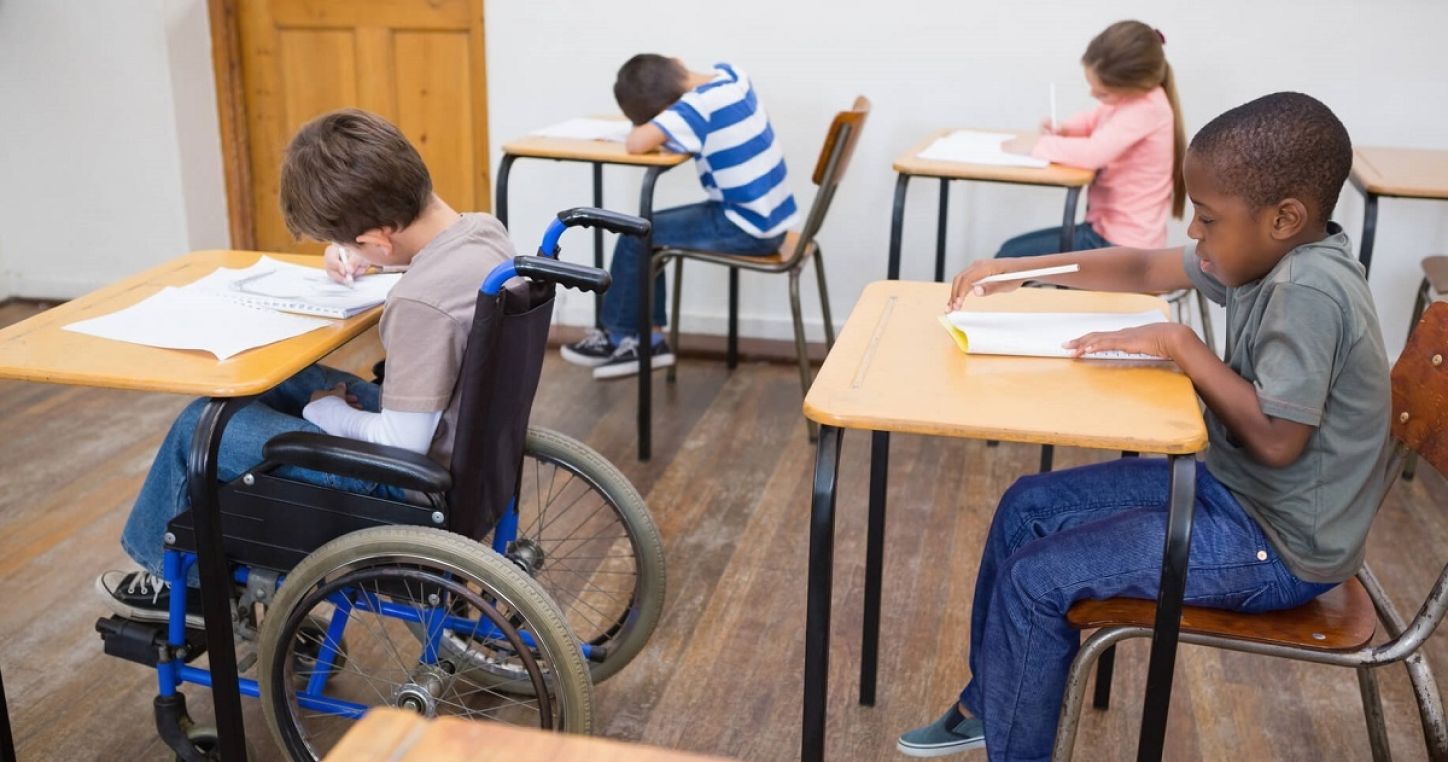
South Africa’s education system is undergoing a significant transformation. With a Constitution that champions the rights of all individuals to basic education, the focus has shifted dramatically toward inclusive education. This approach moves beyond simply placing learners with disabilities in mainstream classrooms; it emphasizes restructuring the entire learning environment to accommodate the diverse needs of all students, regardless of their background, ability, or learning style.
For educators, therapists, and school administrators, understanding how to implement these policies is no longer optional—it is a professional necessity. The demand for skilled practitioners who can identify barriers to learning, adapt curricula, and foster supportive school cultures is rising. To help you navigate this growing field, we have compiled a list of the Top 10 Inclusive Education Courses In South Africa. These selections range from short-term professional development programs to advanced postgraduate degrees, each designed to equip you with practical, real-world skills.
Understanding the Landscape of Inclusive Education
Before exploring the specific courses, it is important to understand why this specialization matters so much in the South African context. The Department of Basic Education’s White Paper 6 on Special Needs Education (2001) laid the groundwork for building an inclusive education system. However, moving from policy to practice remains a challenge. Many teachers enter the classroom feeling underprepared to support learners with conditions like dyslexia, autism spectrum disorder (ASD), or the socio-economic barriers that affect concentration and attendance.
A high-quality course in this field should do more than just define terms. It should teach practical strategies for curriculum differentiation, assistive technology, and collaboration with parents and therapists. The courses listed below have been selected based on their accreditation, reputation, practical application, and relevance to the South African educational landscape.
Top 10 Inclusive Education Courses In South Africa
1. University of Pretoria (UP): BEd Hons (Learning Support)
The University of Pretoria’s Faculty of Education offers one of the most respected postgraduate programs in the country. The BEd Hons in Learning Support is designed for qualified teachers who want to specialize in addressing barriers to learning.
This program delves deep into the theoretical frameworks of inclusive education but maintains a strong focus on practical intervention. Students explore neurodevelopmental disorders, psycho-social support, and advanced assessment techniques. What sets UP apart is its research-led approach. Participants are often required to conduct case studies within their own classrooms, allowing them to apply interventions immediately. This course is ideal for teachers aiming to become learning support specialists or heads of department in mainstream schools.
2. Stellenbosch University: Postgraduate Diploma (PGDip) in Inclusive Education
Stellenbosch University offers a comprehensive PGDip in Inclusive Education that is widely recognized for its rigor. This qualification is perfect for educators who want to move into specialized roles such as School-Based Support Team (SBST) coordinators or district support personnel.
The curriculum covers critical areas such as policy analysis, curriculum adaptation, and inclusive pedagogy. A unique aspect of the Stellenbosch offering is its integration of technology to support diverse learners. The course addresses the specific challenges of the South African classroom, including multilingual classrooms and the impact of poverty on learning. Graduates leave with a strong ability to design inclusive lesson plans that meet the needs of the top, middle, and bottom performers simultaneously.
3. University of the Witwatersrand (Wits): BEd Hons (Inclusive Education)
Wits University is known for its critical approach to education, and its BEd Hons in Inclusive Education reflects that. This course encourages educators to examine the social justice aspects of schooling. Why do certain learners get left behind? How do systemic biases create barriers?
The program at Wits focuses heavily on advocacy and policy implementation. Students learn to become change agents within their schools. The coursework includes modules on disability studies, human rights in education, and inclusive assessment practices. For those interested in moving into educational research or policy-making, this honors degree serves as an excellent stepping stone toward a master’s or PhD in the field.
4. University of Johannesburg (UJ): BEd Hons (Inclusive Education)
The University of Johannesburg offers a flexible and highly practical BEd Hons in Inclusive Education. UJ has a strong reputation for addressing the urban educational challenges found in Gauteng, such as overcrowded classrooms and diverse linguistic backgrounds.
This program emphasizes “full-service schools”—institutions designed to support learners with mild to moderate barriers to learning. Students learn to develop support plans, manage behavioral challenges, and use low-cost assistive devices. UJ’s approach is hands-on; many assessments require students to create resources that can be used immediately in their teaching contexts. It is a popular choice for educators seeking to upgrade their qualifications without disrupting their full-time teaching responsibilities.
5. North-West University (NWU): Advanced Certificate in Education (ACE) in Inclusive Education
For teachers who may not be ready for a full honors degree but need specialized training, North-West University offers a robust Advanced Certificate in Education (ACE) in Inclusive Education. This NQF level 6 qualification is designed to upskill practicing teachers.
The ACE program is structured to address the immediate needs of the classroom. It covers modules on identifying barriers to learning, early intervention strategies, and managing diverse needs within the mainstream classroom. NWU uses a distance learning model with face-to-face contact sessions, making it accessible to teachers in rural areas. This certificate is particularly valuable for foundation phase and intermediate phase teachers who want to improve their ability to differentiate instruction for learners with learning disabilities like dyslexia and dyscalculia.
6. University of KwaZulu-Natal (UKZN): BEd Hons (Special Needs Education)
Located in a province with diverse socio-economic and geographical challenges, the University of KwaZulu-Natal offers a BEd Hons in Special Needs Education. This program takes a holistic view, considering the psychological, medical, and sociological aspects of learning barriers.
UKZN’s program is notable for its emphasis on rural education. Students explore how to implement inclusive policies in schools with limited resources. The curriculum includes specialized modules on Autism Spectrum Disorder, intellectual disabilities, and behavioral disorders. The university’s strong community engagement allows students to interact with local schools and clinics, providing a rich, contextual learning experience that connects theory to the lived reality of educators in the region.
7. Cape Peninsula University of Technology (CPUT): Postgraduate Diploma in Education (Inclusive Education)
CPUT offers a unique vocational approach to inclusive education through its Postgraduate Diploma in Education (Inclusive Education) . As a University of Technology, CPUT emphasizes practical skills and workplace readiness.
This program is designed for educators who want to work specifically as learning support specialists or in special needs schools. The curriculum covers assistive technology training, augmentative and alternative communication (AAC), and practical classroom management techniques. CPUT’s small class sizes allow for personalized mentorship. For teachers who prefer a hands-on, workshop-style learning environment over heavy theoretical research, this is a top-tier option.
8. SANTS Private Higher Education Institution: Diploma in Inclusive Education
SANTS is a specialized private higher education institution focused solely on teacher training. Their Diploma in Inclusive Education is a comprehensive undergraduate program aimed at aspiring teachers who want to specialize from the start of their careers.
Unlike university-based programs that often require a prior teaching qualification, this diploma allows students to enter the field with a focus on inclusivity. The curriculum is modern and aligned with the latest Curriculum Assessment Policy Statements (CAPS). It covers topics such as trauma-informed pedagogy, managing ADHD in the classroom, and inclusive sports and recreation. SANTS is well-regarded for its distance learning support and practical work-integrated learning components, making it accessible to students across all nine provinces.
9. The Independent Institute of Education (IIE) at Varsity College: BEd Hons (Inclusive Education)
The IIE, offered at campuses like Varsity College and Rosebank College, provides a BEd Hons in Inclusive Education that is designed for the modern educator. This program is structured to be completed over one year of full-time study or two years part-time, catering to working professionals.
The IIE curriculum focuses heavily on the practical application of the “SIAS” (Screening, Identification, Assessment, and Support) policy—a cornerstone of the South African inclusive education framework. Students learn how to coordinate school support teams, manage Individual Support Plans (ISPs), and engage with parents effectively. The private institution model often provides smaller class sizes and dedicated student support services, which can be a significant advantage for educators returning to study after a long break.
10. University of the Free State (UFS): BEd Hons (Learning Support)
Rounding out the list is the University of the Free State, which offers a solid BEd Hons in Learning Support. UFS is known for its commitment to social justice and its role in central South Africa.
This program focuses on creating inclusive environments in diverse settings, particularly in schools where English is not the primary language of instruction. Students explore the intersections between language development and learning barriers. The UFS program emphasizes collaborative practice, teaching educators how to work effectively with speech therapists, occupational therapists, and social workers within the school environment. Graduates often find roles as district-based support teams (DBSTs) members, helping multiple schools improve their inclusivity practices.
How to Choose the Right Course for Your Career
With such a variety of options available among the Top 10 Inclusive Education Courses In South Africa, selecting the right one can feel overwhelming. To make an informed decision, consider the following factors:
-
Accreditation: Ensure the institution is registered with the Department of Higher Education and Training (DHET) and that the qualification is recognized by the South African Qualifications Authority (SAQA). All the institutions listed above hold the necessary accreditation.
-
Current Qualifications: If you are already a qualified teacher, a Postgraduate Certificate or Honors degree is the logical next step. If you are entering the field, a dedicated diploma or undergraduate degree in inclusive education might be more suitable.
-
Mode of Delivery: Are you looking for a full-time, on-campus experience, or do you need the flexibility of distance learning? Institutions like NWU and SANTS excel at distance learning, while others like Wits and UCT offer rich on-campus resources.
-
Specialization: Some courses focus heavily on policy and advocacy (like Wits), while others focus on therapeutic interventions (like CPUT) or practical classroom differentiation (like UJ). Align the curriculum with your career goals.
The Future of Inclusive Education in South Africa
Investing in one of these courses is not just about earning a certificate; it is about addressing a critical skills gap in the country. The shift toward full-service schools and the push for the “One Stop Shop” support model by the Department of Basic Education mean that qualified inclusive education practitioners are in high demand.
Schools are actively seeking teachers who can serve as Learning Support Coordinators. Furthermore, as awareness of neurodiversity grows in the private sector, the skills learned in these programs are also becoming valuable in corporate training and educational consulting roles. The future of South African education depends on moving away from a one-size-fits-all model to a system that recognizes the unique potential in every learner.
The journey to becoming a skilled inclusive educator requires commitment, but the rewards—both personal and professional—are substantial. Whether you choose the research-intensive path at the University of Pretoria, the technology-focused approach at CPUT, or the flexible distance learning options offered by SANTS, the Top 10 Inclusive Education Courses In South Africa listed above provide a solid foundation for your career.
Each program offers a unique lens through which to view the challenges and opportunities of the South African classroom. By pursuing further studies in this field, you are not only advancing your own career but also contributing to a more equitable and effective education system for all children.