Choosing the right institution is a critical first step for aspiring educators, therapists, and advocates dedicated to inclusive education. When searching for the Best Universities for Special Education in South Africa, prospective students must look beyond rankings to consider factors like specialized research units, practical training opportunities, and the university’s own commitment to accessibility. This guide explores the leading South African universities offering qualifications in special and inclusive education, providing an in-depth look at their programs, support structures, and contributions to the field.
The Landscape of Special Education in South Africa
South Africa’s journey toward inclusive education is rooted in a constitutional commitment to the right to basic education for all. The landmark Education White Paper 6: Special Needs Education (2001) laid the foundation for a system that aims to move away from a medical model of disability—where the focus is on a learner’s deficits—toward an inclusive model that removes barriers to learning in mainstream schools .
However, the reality on the ground remains complex. Recent data from the Department of Basic Education (DBE) shows that while the number of special schools has grown from 295 in 2002 to 499 in 2025, challenges such as infrastructure gaps, a shortage of trained teachers, and transport issues persist . Statistics South Africa (Stats SA) highlights that nearly 10% of children with disabilities aged 7 to 15 remain out of school, underscoring the immense need for qualified professionals who can drive change .
This is where higher education institutions play a pivotal role. They are not just training the next generation of teachers; they are research hubs developing new strategies for inclusion, policy advisors shaping government directives, and community partners bridging the gap between policy and practice. For students, choosing a program means becoming part of this transformative effort.
The Leading Universities for Special Education in South Africa
South Africa boasts several world-class universities that offer specialized undergraduate and postgraduate programs in inclusive and special education. These institutions are recognized for their rigorous academics, dedicated research centers, and proactive support for students with disabilities.
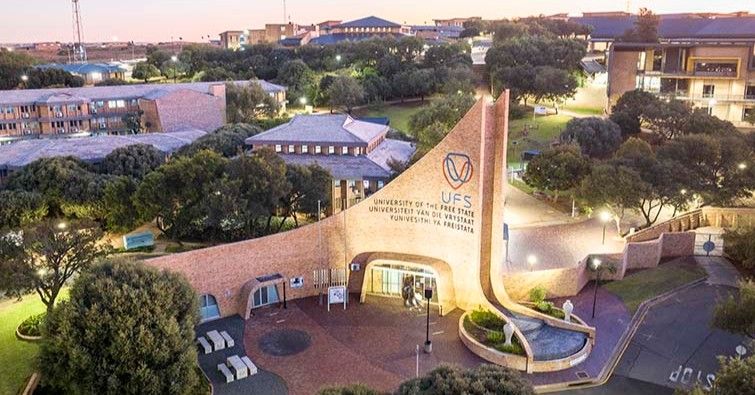
1. University of the Free State (UFS)
The University of the Free State has established itself as a benchmark for inclusive practices in higher education. In July 2025, UFS was recognized as the second-highest institution in South Africa for disability transformation, scoring an impressive 78% on the Disability Results Effectiveness Scale (DRES) .
Why UFS Stands Out
The success of UFS is largely driven by its Centre for Universal Access and Disability Support (CUADS) . Unlike traditional support units that operate in silos, CUADS is embedded within the university’s broader Integrated Transformation Plan, ensuring that universal access is a strategic priority rather than an afterthought .
-
Systemic Approach: The university’s ranking reflects its success in embedding systemic, policy-driven, and culturally inclusive practices. This goes beyond simply adding ramps; it involves reshaping curricula and teaching methodologies to be universally accessible.
-
Research and Employment Transition: UFS is actively researching the transition from education to employment for graduates with disabilities. This focus is critical, as many graduates face barriers in the workplace due to a lack of inclusive recruitment practices by employers .
Programs on Offer
While UFS offers foundational teaching degrees, its postgraduate offerings in inclusive education allow students to engage with the theoretical frameworks that support the university’s practical transformation model.
2. University of Fort Hare (UFH)
With a long history of contributing to social justice in South Africa, the University of Fort Hare offers a robust Bachelor of Education Honours in Inclusive Education . This program is designed for educators who wish to specialize in supporting learners with diverse needs within mainstream classrooms.
Program Highlights
-
Comprehensive Curriculum: The Honours program covers inclusive teaching strategies, differentiation, and the development of individualized learning plans. It prepares graduates to serve as Learning Support Specialists, Special Needs Coordinators, and Inclusion Officers within schools and districts .
-
Pathways to Advanced Study: This qualification serves as a gateway to Master’s and Doctoral studies, allowing students to eventually contribute to policy development or become university-level teacher trainers.
-
Financial Support: The university guides students on funding options, including the Funza Lushaka Bursary for teaching qualifications and NSFAS support, with specific mention that persons with disabilities have a higher household income threshold for NSFAS eligibility .
3. University of the Witwatersrand (Wits)
Wits University in Johannesburg is renowned for its research-intensive environment and offers highly specialized programs, particularly in the field of Deaf Education. The Master in Deaf Education offered by Wits is one of the few advanced programs of its kind in Africa .
Specialized Expertise
-
Deep Focus: The Master’s program is tailored for professionals who want to teach deaf or hard-of-hearing students. The curriculum focuses specifically on sign language linguistics, deaf culture, and specialized lesson planning, ensuring that graduates possess deep expertise in a specific area of need .
-
Practical Application: The program integrates a teaching practicum and research projects, allowing students to gain hands-on experience and contribute new knowledge to the field of audiology and speech therapy support in education.
-
Career Pathways: Graduates from this program are highly sought after for roles as Deaf Education Teachers, Sign Language Interpreters in educational settings, and policy advisors for government agencies focused on sensory disabilities .
4. University of Pretoria (UP)
The University of Pretoria’s Faculty of Education is one of the largest and most established in the country. While the university offers a wide range of general education degrees, it is a primary destination for students looking for strong foundational training that incorporates inclusive education principles across the curriculum.
A Hub for Teacher Development
UP focuses on preparing teachers for the reality of South African classrooms. Given that the DBE is currently training thousands of teachers on inclusive education implementation, graduates from UP often enter the workforce with a sophisticated understanding of how to manage diverse classrooms .
-
Future-Focused Skills: The university integrates modern teaching methods, preparing educators to work in evolving environments such as the newly launched Coding and Robotics Hubs for special-needs pupils, an initiative supported by UNICEF and the DBE .
-
Strategic Location: Being in Pretoria, the administrative capital, UP maintains close ties with the Department of Basic Education, allowing students to engage with current policy debates and internship opportunities at a national level.
5. University of Limpopo (UL)
The University of Limpopo demonstrates its commitment to inclusive education not just through its curriculum, but through the comprehensive support it provides to students with disabilities. This supportive environment is a powerful draw for students with special educational needs who wish to pursue higher education.
The Reakgona Disability Centre (RDC)
The university’s inclusive culture is exemplified by the Reakgona Disability Centre, which has been praised by students for its transformative impact. A recent example is Mpho Ntjakata, a top achiever in the 2025 NSC examinations who chose UL specifically because of its inclusive environment .
-
Assistive Technologies: The RDC provides learning materials in alternative formats, including magnified text and braille, along with assistive technologies that make the curriculum accessible to students with visual impairments.
-
Academic Support: Beyond physical resources, the centre offers dedicated academic support, ensuring that students with disabilities can navigate the challenges of tertiary education successfully. This holistic model serves as a case study for how universities can build truly inclusive learning environments .
What to Look for in a Special Education Program
When evaluating universities, it is important to consider factors beyond the name of the degree. Based on current trends in South African education, prospective students should look for:
1. Infrastructure and Accessibility
A university that teaches inclusive education should practice it. Look for institutions that have accessible facilities, including ramps, elevators, and accessible restrooms. More importantly, check for digital accessibility—are course materials and library resources available in accessible formats? As one student noted, choosing a university with a dedicated disability centre, like UL’s RDC, provides confidence that you will be supported .
2. Practical Training and Partnerships
Theoretical knowledge must be paired with practical experience. The best programs have strong partnerships with the 832 full-service schools and 499 special schools across the country . They also engage with multi-sectoral initiatives, such as the government’s Learners with Severe to Profound Intellectual Disability (LSPID) grant programs, ensuring that graduates understand the complexities of resource allocation and public service.
3. Research Focus on Contemporary Issues
The field of inclusive education is rapidly evolving. Leading universities are currently focused on critical issues such as:
-
The transition from school to work: Addressing the gaps that leave graduates with disabilities unemployed despite their qualifications .
-
Digital inclusion: Developing curricula for coding and robotics that are accessible to learners with severe intellectual challenges or autism .
-
Policy review: Engaging with the Ministerial Task Team’s review of Education White Paper 6, which is due to deliver a final report by early 2026 .
South Africa’s need for skilled professionals in special and inclusive education has never been greater. With over 127,000 learners enrolled in special schools and a mandate to integrate more learners into mainstream full-service schools, the demand for specialists—including teachers, therapists, and policy advisors—is set to grow .
The Best Universities for Special Education in South Africa are those that combine academic rigor with a lived commitment to inclusion. The University of the Free State leads in systemic transformation, the University of Fort Hare offers specialized postgraduate qualifications, Wits provides deep expertise in niche areas like Deaf Education, the University of Pretoria excels in broad teacher training, and the University of Limpopo stands out for its exemplary student support services.